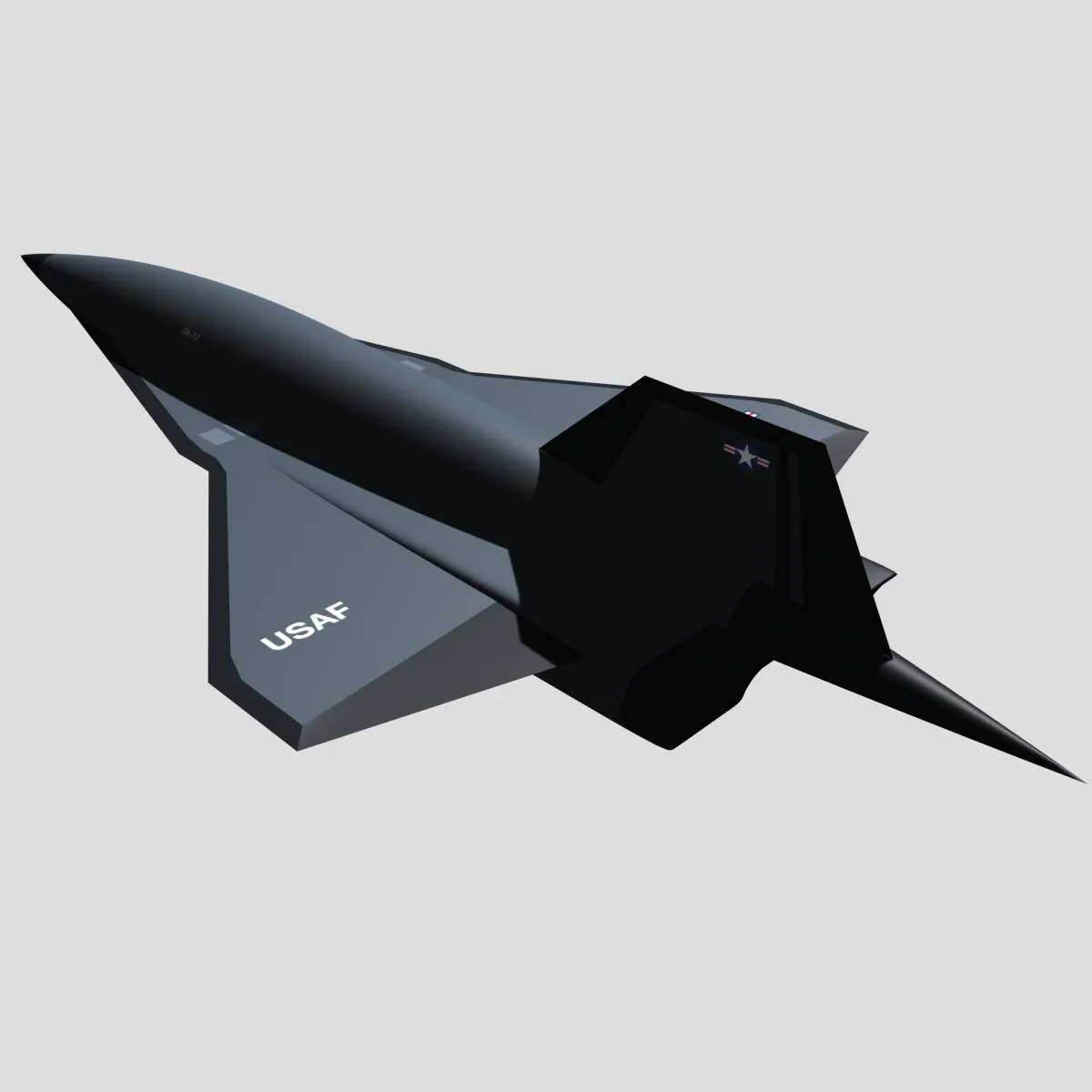
What is SR 72 Diecast
SR 72 diecast models are miniature replicas of the SR 72, a hypersonic aircraft. These models are typically made from metal alloys and plastic, offering enthusiasts and collectors a way to own a detailed representation of this advanced aircraft. They are highly sought after by aviation enthusiasts and model collectors alike, providing a tangible connection to aerospace technology and design. The appeal of SR 72 diecast models lies in their intricate detailing, accurate representations of the original aircraft, and the ability to display them as part of a collection. They offer a unique blend of history, engineering, and artistry, making them a fascinating subject for those interested in aviation and model collecting.
Key Features of SR 72 Diecast
SR 72 diecast models boast several key features that enhance their appeal and value. One of the most important aspects is the level of detail. Manufacturers meticulously replicate the SR 72’s design, including its sleek aerodynamic shape, wing configuration, and even the smallest surface details like panel lines and rivets. Furthermore, high-quality models are often painted using accurate color schemes that match the real aircraft. Some models also feature functional elements like movable control surfaces, landing gear, and detachable components, adding to their realism and playability. These features make them stand out, not only as collectibles but as representations of technological advancement and design.
Scale and Detailing

The scale of SR 72 diecast models is a crucial factor for collectors. Common scales range from 1:72 to 1:200, with 1:72 scale being a popular choice for its balance of size and detail. The scale dictates the size of the model relative to the original aircraft. Accurate detailing is paramount, with manufacturers striving to replicate every aspect of the SR 72’s exterior. This includes the shape of the fuselage, the design of the wings, and the intricate details of the engines and other components. These models often include features such as finely crafted panel lines, detailed cockpit interiors, and accurate representations of the aircraft’s markings and paint schemes. The best models showcase an exceptional level of craftsmanship, offering a stunning visual experience.
Materials Used in Construction
The materials used in constructing SR 72 diecast models greatly influence their quality, durability, and collectibility. The primary material is typically diecast metal, usually a zinc alloy, for the body and wings. This provides a robust, weighty feel and allows for fine detailing. Plastic components are also used for parts such as engines, landing gear, and other smaller details. High-quality models often include transparent plastic for the cockpit canopy, offering a clear view of the interior. The combination of diecast metal and plastic allows manufacturers to achieve both structural integrity and intricate detailing. The quality of the paint and the application process are also essential. Using durable, accurate paints and applying them with precision helps the model retain its value.
Popular SR 72 Diecast Models
Several SR 72 diecast models are particularly popular among collectors, often distinguished by their level of detail, manufacturer reputation, and rarity. Some models are produced in limited quantities, increasing their collectibility. The most sought-after models typically feature accurate replicas of the SR 72’s distinctive design elements. These models often depict the aircraft in various operational configurations or historical color schemes. The detail on the engines, wings, and other surfaces helps to set them apart. Collectors look for models that have high-quality paint jobs, ensuring that the colors are accurate and long-lasting. Moreover, models from well-respected manufacturers are often preferred, as these companies are known for producing high-quality, accurately detailed models.
Why Collect SR 72 Diecast

Collecting SR 72 diecast models offers a unique combination of historical interest, technical appreciation, and aesthetic enjoyment. These models provide a tangible connection to aviation history and the future of aerospace. They are also a rewarding hobby for those who appreciate craftsmanship and attention to detail. Collecting can also be a social activity, with collectors often participating in clubs and online communities. The models themselves can be displayed and admired. This can be a source of pride and a conversation starter. The value of certain models can also increase over time, making it a potentially wise investment. Owning these models is more than just owning a toy, it’s about the appreciation of innovation.