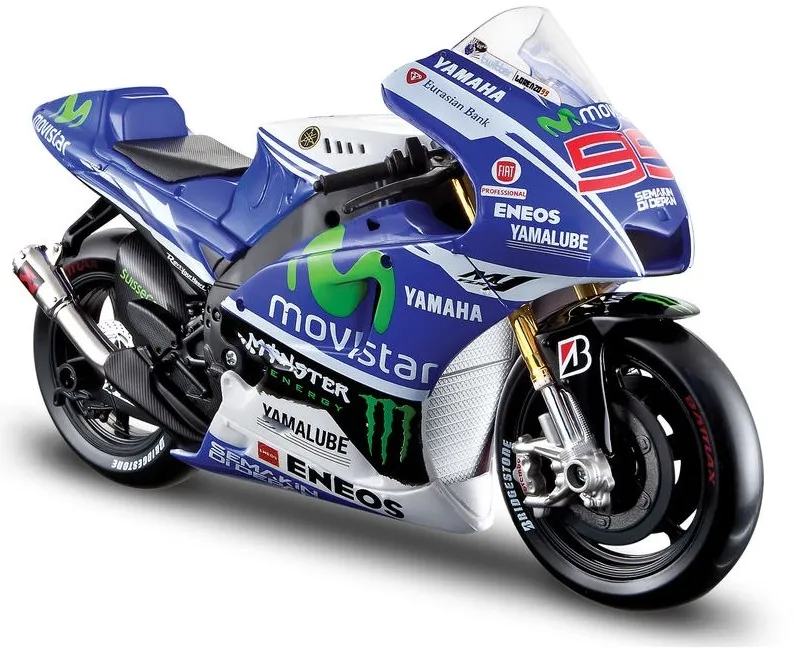
Diecast scale bikes are miniature replicas of real-life motorcycles, meticulously crafted to capture the essence of their full-sized counterparts. These models have captivated enthusiasts and collectors for decades, offering a unique blend of artistry, engineering, and nostalgia. Whether you’re a seasoned collector or a curious newcomer, the world of scale bikes has a lot to offer. Let’s explore seven amazing facts that make these miniature marvels so captivating, revealing the details that go into the manufacturing and the joy of collecting them. These models are more than just toys they’re miniature works of art.
What is a Diecast Scale Bike
A diecast scale bike is a miniature motorcycle model typically made using the die-casting process, where molten metal is injected into molds to create highly detailed parts. These models are produced in various scales, such as 1:12, 1:18, and 1:24, meaning the model is a specific fraction of the size of the original motorcycle. Scale bikes are prized for their accuracy, craftsmanship, and ability to replicate the look and feel of real motorcycles. From the gleaming chrome of the exhaust pipes to the intricate tread patterns on the tires, every detail is carefully considered to provide an authentic miniature representation. The appeal of these models goes beyond simple aesthetics; they offer a tangible connection to the world of motorcycling, allowing enthusiasts to appreciate the design and engineering of these machines in a compact and accessible format.
The Materials Used
The creation of a diecast scale bike involves a careful selection of materials, each chosen for its ability to replicate the look, feel, and functionality of the original motorcycle. The combination of materials ensures both the aesthetic appeal and structural integrity of the model. High-quality materials are crucial for achieving the level of detail and realism that collectors and enthusiasts expect.
Metal Components
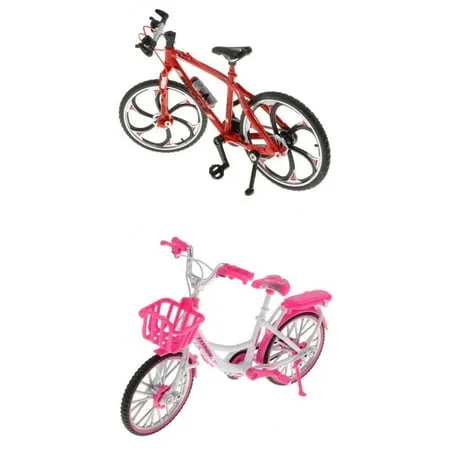
The primary material used in diecast scale bikes is metal, typically zinc alloy, or a similar material. This material is ideal for the die-casting process due to its ability to capture fine details and its durability. Metal components form the main body of the motorcycle, including the frame, engine block, fuel tank, and other structural parts. The use of metal gives the models a realistic weight and a premium feel, enhancing their value and collectibility. The metallic finish, whether painted or chrome-plated, adds to the authentic appearance, making the models visually appealing and true to the original designs. The metal parts are often intricately designed to mimic the curves, angles, and textures of the real motorcycle, ensuring the model is as accurate as possible. This includes the engine’s cooling fins, exhaust pipes, and various other details that contribute to the model’s overall realism.
Plastic and Rubber
In addition to metal, diecast scale bikes incorporate plastic and rubber components to enhance detail and functionality. Plastic parts are used for items like the fairings, seats, mirrors, and other non-structural elements. These plastic parts are molded to create intricate shapes and designs that would be difficult to achieve with metal alone. Rubber is used for the tires, providing a realistic look and feel. The use of rubber tires also allows for a level of playability, as the models can be rolled across surfaces. These details collectively contribute to the overall aesthetic appeal and functionality of the models, resulting in an authentic and enjoyable collecting experience. The combination of metal, plastic, and rubber gives scale bikes the balance of durability and detail, making them highly sought-after by collectors worldwide.
Scale Bike Sizes
Scale bikes are not all the same size; they come in various scales. Scale refers to the ratio between the size of the model and the size of the real-life motorcycle. The most popular scales allow collectors to find models that fit their display preferences and available space. Each scale offers a different level of detail and size, making it appealing for collectors with specific interests.
Popular Scales Explained

Understanding the common scales is essential for both buying and displaying scale bikes. Different scales cater to various preferences and needs, each offering a unique perspective on these miniature marvels. When exploring the world of scale bikes, knowing the scale is crucial, as it influences the level of detail and how they will fit into your collection. The most popular scales are 1:12 and 1:18, with the 1:24 scale being a niche choice.
1:12 Scale Models
1:12 scale models are a favorite among collectors for their balance of detail and size. They are large enough to showcase intricate details but still manageable for display. At this scale, the fine details of the motorcycle become visible, making it a popular choice for those who appreciate accuracy and realism. These models typically measure around 6-8 inches in length, allowing for a good view of the intricate designs, including the engine and various other components. The detail level allows for features like working suspension, movable handlebars, and sometimes even a kickstand. The models offer a satisfying tactile experience and a visually appealing display piece, which makes them an ideal choice for avid collectors and enthusiasts seeking a high-quality model to appreciate.
1:18 Scale Models
1:18 scale models are smaller, often more affordable, and easier to display in larger collections. They strike a balance between detail and space efficiency. The smaller size allows for a more extensive collection without overwhelming display areas. While smaller than the 1:12 scale models, the 1:18 scale still manages to capture a high level of detail, often featuring intricate paintwork, realistic decals, and accurately rendered engine components. These models are a great option for new collectors or for those who want to build a large collection without dedicating a large amount of space. They offer excellent value and provide a gateway into the world of diecast motorcycle models.
Detailed Features of Scale Bike

Scale bikes are praised for their attention to detail, meticulously replicating the look and feel of their full-sized counterparts. The degree of realism in these models is what sets them apart and attracts collectors and enthusiasts alike. From the intricate designs to the working parts, every aspect is carefully considered to provide an authentic miniature representation.
Realism in Design
The realism in the design of scale bikes is achieved through several factors. Accurate proportions and dimensions are crucial, ensuring the model mirrors the real motorcycle. Manufacturers use precise measurements and often consult original design blueprints to create accurate replicas. The paintwork and decals are also vital, with colors matched to the original motorcycle and decals replicating the logos, brand markings, and design elements. The use of high-quality paint and precise application techniques further enhance the model’s visual appeal. Attention to detail extends to the texture and finish of the materials used, with metal components often chrome-plated or given a matte finish to mimic the look of real metal. These design elements combine to create a miniature motorcycle model that is visually stunning and authentically replicates the real thing.
Working Components
Many scale bikes feature working components, adding to their authenticity and collectibility. These can include features such as functioning suspension systems, movable handlebars, kickstands, and even gear shifters. The working suspension systems allow the model to absorb minor impacts, replicating the feel of a real motorcycle. Movable handlebars and kickstands add to the model’s playability and pose-ability, allowing collectors to display their models in various positions. These features are not just for show; they are functional parts of the model’s design and construction, which enhances the user experience. These functional details are crucial in bringing the model to life and make it more appealing for collectors.
Benefits of Collecting Scale Bikes

Collecting scale bikes offers numerous benefits, appealing to enthusiasts of all ages. From educational value to aesthetic appeal, scale bikes provide a rewarding and engaging hobby. The benefits of collecting scale bikes extend beyond mere enjoyment, encompassing learning, personal satisfaction, and a vibrant community of like-minded enthusiasts.
Educational Value
Scale bikes have educational value by providing insights into engineering, design, and automotive history. Examining the detailed components helps to understand how motorcycles work, from the engine to the suspension systems. Collectors can learn about the evolution of motorcycle design over time, from classic models to modern marvels. Researching the history of the motorcycles represented by the models can also deepen an appreciation for these machines and the individuals who created them. Scale bikes offer a hands-on way to learn about engineering and design, making them a fun and engaging educational tool for all ages.
Aesthetic Appeal
Scale bikes provide aesthetic appeal through their detailed craftsmanship, realistic design, and visual beauty. The models’ meticulous detailing, from paintwork to individual components, makes them attractive display pieces. The variety of models available, from classic bikes to modern sport bikes, allows collectors to curate a display that reflects their personal style and interests. Scale bikes can be used to enhance any space, adding a touch of sophistication and interest. Whether displayed on a shelf, in a glass cabinet, or as part of a larger collection, scale bikes are a beautiful addition to any home or office. The artistry and attention to detail make them a source of visual enjoyment.
Collecting Tips

Collecting scale bikes can be a rewarding hobby with a wealth of opportunities for enthusiasts. Careful planning and research can significantly improve the collecting experience. Whether you are new to this hobby or an experienced collector, here are some helpful collecting tips.
Where to Find Scale Bikes
Scale bikes can be found in a variety of places, catering to both new and seasoned collectors. Specialized hobby shops and model stores are great options, often offering a wide selection of models and providing expert advice. Online marketplaces and auction sites also have extensive collections, offering a vast range of models. Local events such as car shows, swap meets, and model conventions, also offer a chance to discover rare and unique models and connect with other collectors. Consider the reputation of the seller and the authenticity of the models. The range of sources ensures that collectors can find models that suit their preferences, budgets, and collecting goals. Consider browsing these sources to build your collection.
Caring for Your Collection
Caring for your scale bike collection is essential for preserving its value and beauty. Proper care ensures that the models remain in good condition for years. The most effective way is to handle the models carefully, avoiding direct contact with bare hands to prevent fingerprints and damage. Dust the models regularly, using a soft brush or cloth to remove debris and prevent buildup. Displaying models away from direct sunlight and extreme temperatures helps to protect the paint and prevent fading or warping. When storing models, use protective cases or display cabinets to protect them from dust and damage. By following these guidelines, you can help preserve the beauty and value of your scale bike collection.
In conclusion, diecast scale bikes are more than just collectible items; they represent a passion for detail, a celebration of engineering, and a connection to the rich history of motorcycles. From the materials they are made from to the intricate designs and the benefits of collecting them, scale bikes offer something for everyone. They provide a unique way to appreciate the beauty of motorcycles, whether you’re a seasoned collector, or someone just starting. So, start your collection today, and explore the world of diecast scale bikes and discover the joy of owning these miniature works of art!