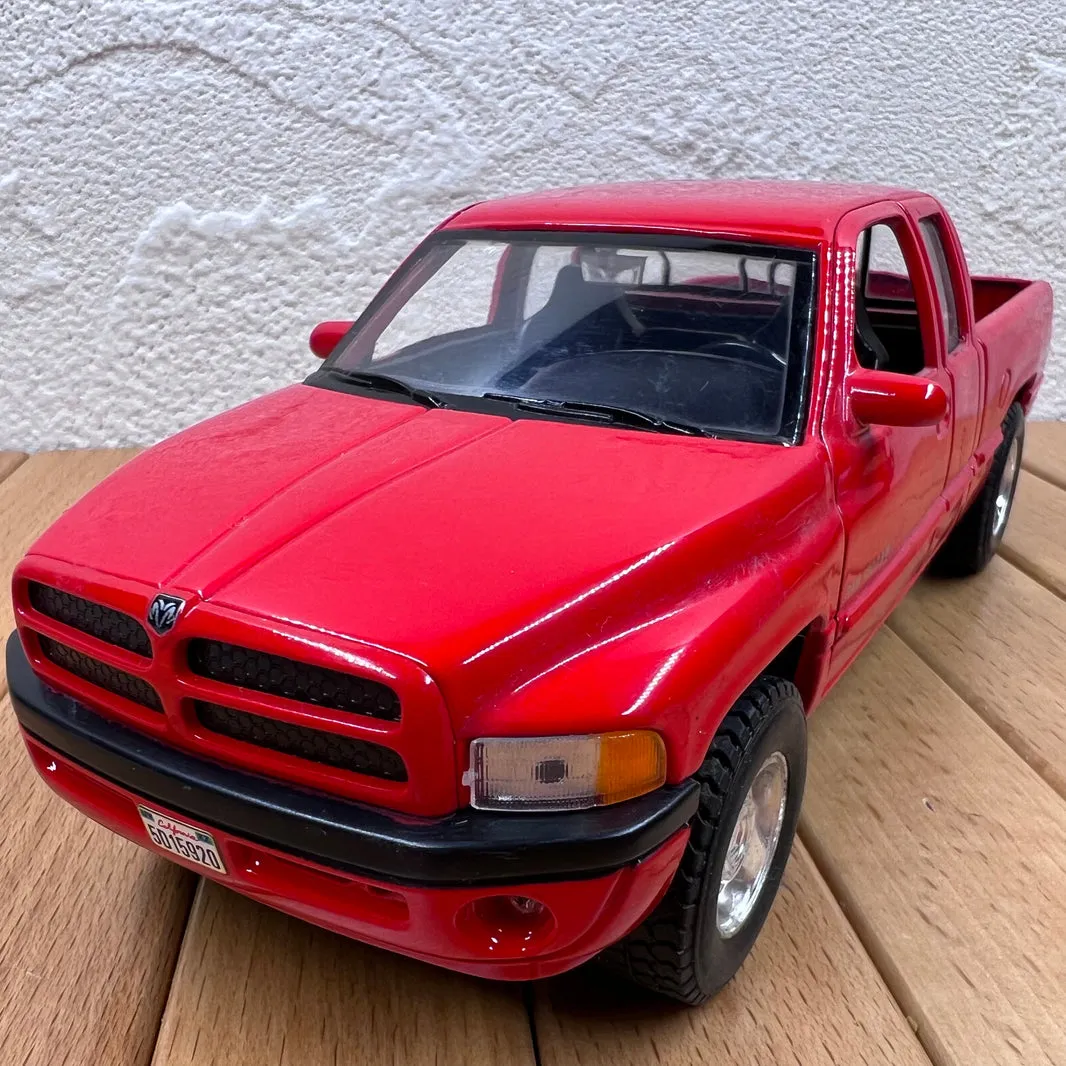
Metal diecast models have captivated collectors and enthusiasts for generations. These miniature replicas of cars, trucks, and other vehicles offer a unique blend of craftsmanship, nostalgia, and investment potential. Understanding the fascinating world of metal diecast models starts with knowing a few key facts. This article uncovers seven essential pieces of information that every collector should know, from the materials used to the best ways to care for these treasures.
Metal Diecast Models: Fact 1 - The Materials Used
The quality and characteristics of a metal diecast model begin with the materials used in its construction. The primary material is typically a zinc alloy, often combined with other metals. This alloy is chosen for its ability to be cast with fine detail, its durability, and its weight, which gives the models a satisfying feel. The use of metal also allows for realistic paint finishes and intricate detailing that plastic models often struggle to achieve. These models are not just toys; they are miniature works of art, using materials that give them a sense of value and longevity.
The Composition of Metal Diecast Models
The primary metal used in metal diecast models is often a zinc alloy, but it’s rarely a simple combination. The alloy may include traces of aluminum, magnesium, and copper, each contributing to the final product’s strength, appearance, and resistance to corrosion. These carefully selected combinations provide the model with the necessary density and the ability to hold fine details, which adds to the model’s overall realism and appeal. The materials used impact how the model feels, the level of detail possible, and the model’s long-term durability.
Zinc Alloy and Other Metals

The exact composition of the zinc alloy can vary between manufacturers, but the goal is always the same: to create a durable, detailed, and aesthetically pleasing miniature. While zinc is the core, other metals are strategically incorporated to improve specific properties. For example, aluminum might be added to improve fluidity during the casting process, leading to sharper details. The combination is also selected for its weight, which contributes to the model’s satisfying heft, a key part of the appeal for collectors. These alloys are chosen to ensure the models are both attractive and durable, able to withstand the test of time.
Metal Diecast Models: Fact 2 - The Manufacturing Process
The creation of metal diecast models is a complex process that blends artistry and engineering. It starts with a design, often based on original blueprints or photographs of the actual vehicle. The design is then turned into a mold, which is the heart of the die-casting process. This mold is usually made of steel and is designed to withstand the high temperatures and pressures involved in injecting molten metal. The manufacturing process is a testament to precision and attention to detail, which is what allows diecast models to be so accurate and to have a high level of detail.
The Die Casting Technique
Die casting involves injecting molten metal into a mold under high pressure. This process allows for the creation of highly detailed parts with complex shapes that would be impossible or impractical to achieve through other manufacturing methods. The pressure forces the molten metal into every crevice of the mold, capturing the fine details of the vehicle’s design. Once the metal cools and solidifies, the mold is opened, and the finished part is extracted. This process is repeated multiple times to create all the necessary components of the model. The precise execution of this process is what separates high-quality models from less detailed ones.
Stages of Die Casting

The die-casting process includes several crucial stages, beginning with mold preparation and the melting of the metal alloy. The molten metal is then injected into the mold at high pressure, and the mold is kept closed while the metal cools and solidifies. After cooling, the mold opens, and the casting is ejected. The next step is often trimming the excess metal, which is also known as flashing, and then finishing the model through painting, detailing, and assembly. Quality control inspections are carried out throughout these stages to ensure that each model meets the high standards expected by collectors. This multi-step procedure allows for a high degree of accuracy and consistency in production.
Metal Diecast Models: Fact 3 - Popular Scale Sizes
Scale is an essential consideration for metal diecast model collectors. It refers to the ratio between the model’s size and the actual vehicle’s size. Different scales cater to various preferences, and the choice of scale often depends on the type of vehicle, the level of detail desired, and the collector’s available display space. Common scales range from the relatively small 1:64 scale, often seen in toy cars, to the larger and more detailed 1:18 scale, popular among serious collectors. Understanding scales is crucial for building a cohesive collection and appreciating the nuances of each model.
Common Scales for Metal Diecast Models
Several scales have become standard in the metal diecast model world. The 1:18 scale is widely popular for its balance of detail and size, allowing for intricate designs and a good display presence. The 1:24 scale is another common choice, providing slightly smaller models that can still showcase significant detail. The 1:43 scale offers a more compact option, which is ideal for collectors with limited space. The 1:64 scale is popular with toy car brands and collectors who prefer larger collections with smaller models. Other scales exist, catering to various interests, such as model trains or military vehicles.
Why Scale Matters

The scale of a model influences its level of detail, the complexity of the construction, and the overall display impact. Larger scales, like 1:18, typically offer more intricate detailing, opening doors, and detailed interiors. Smaller scales, such as 1:64, may have less intricate details but can be used for larger collections and easier storage. The selection of scale often depends on personal preferences, the type of vehicles being collected, and the available space for display. Different scales allow collectors to enjoy different aspects of the hobby, whether it is the intricate detail of a large-scale model or the variety of a collection of smaller models.
Metal Diecast Models: Fact 4 - Iconic Brands and Manufacturers
The metal diecast model industry is filled with brands known for their quality, detail, and the sheer breadth of vehicles they offer. These brands have built reputations over decades, and many of them have become synonymous with the hobby. Some brands specialize in specific types of vehicles, such as sports cars or trucks, while others produce a wide variety of models. Collectors often develop loyalties to particular brands based on their quality, detail, and the types of vehicles they choose to replicate.
Leading Brands in the Metal Diecast World
Several brands have established themselves as leaders in the metal diecast model market. Some of the most well-known brands include Hot Wheels, known for its extensive range of toy cars and its popularity among collectors of all ages. Other notable brands are Autoart, known for its high level of detail and precision, and Minichamps, specializing in a wide variety of vehicles. Brands like Bburago and Maisto also offer a variety of models, with a focus on popular cars, and TSM-Model, offering models of racing cars. Each of these brands has its own unique style and approach to model-making.
What Makes a Brand Iconic

Iconic diecast brands are often recognized for their consistent quality, detailed craftsmanship, and the authenticity of their models. They often focus on replicating famous or important vehicles, from classic cars to modern sports cars and everything in between. Brand recognition is established through the production of high-quality models that meet or exceed the expectations of collectors. Another factor is brand history, with many iconic brands having a long and rich history in the diecast world. These brands also understand the needs of their customers and adapt to the changes in the market, producing new and interesting models regularly.
Metal Diecast Models: Fact 5 - Value and Collectibility
Metal diecast models are more than just toys; they can be valuable collectibles. Their value can fluctuate based on several factors, including rarity, condition, brand, and the model’s historical significance. Some models appreciate in value over time, making them a sound investment for some collectors. Understanding the elements that affect the value of these models is critical for collectors who seek to invest in or build a collection of valuable diecast models. Careful attention to the details can turn a fun hobby into a rewarding investment.
Factors Influencing the Value of Models
The value of metal diecast models is influenced by several key factors. Rarity is a crucial element; limited-edition models or those produced in small quantities are often more valuable. Condition is critical; models in their original packaging and in pristine condition command the highest prices. Brand and manufacturer are also important, with models from well-known and respected brands often attracting higher values. Details such as the level of detail and realism also impact value. Models of historically significant vehicles or those with unique features are also more valuable to collectors.
Investing in Metal Diecast Models

While metal diecast models can be a fun hobby, they can also be a smart investment. Collectors who are interested in building a collection with investment potential should carefully consider several factors. Researching the market, understanding the trends, and focusing on models that are likely to appreciate in value are crucial steps. Staying informed about limited editions and rare models is also essential. The best way to invest is to buy from trusted sources, protect your investment, and understand that model collecting can offer both enjoyment and potential financial returns. By keeping an eye on the market and making informed choices, collectors can build a portfolio of models that are both valuable and enjoyable.
Metal Diecast Models: Fact 6 - The Different Types of Models
The world of metal diecast models encompasses various types of vehicles, catering to different interests. From classic cars to modern supercars, trucks, buses, and even aircraft, there is a model for everyone. The variety of models available allows collectors to focus on specific types of vehicles or build a diverse collection. Understanding the various types of models is a fundamental part of enjoying the hobby. This knowledge allows collectors to expand their collections and to appreciate the breadth of the hobby.
Cars Trucks and Aircraft
Cars are the most popular type of metal diecast model. They range from classic muscle cars to modern sports cars and luxury vehicles. Trucks, ranging from pickups to semi-trucks, are also popular. Aircraft, including airplanes and helicopters, offer a different set of collecting opportunities. The attention to detail varies widely depending on the brand and the scale, but the level of realism is often quite high. Collectors can choose to specialize in one type of vehicle or build a diversified collection, depending on their personal interests.
Specialty Models

In addition to cars, trucks, and aircraft, the metal diecast model world also includes specialty models. These can include military vehicles, construction equipment, and even model trains. Some collectors choose to specialize in these types of models, collecting a variety of vehicles. The diversity of the model world is one of its greatest appeals. The range of options means that there is always something new to discover and to collect.
Metal Diecast Models: Fact 7 - How to Care for Your Collection
Proper care and maintenance are essential for preserving the beauty and value of metal diecast models. Dust, sunlight, and temperature fluctuations can damage models over time. By following a few simple guidelines, collectors can protect their investments and enjoy their collections for years to come. Taking care of the models is also a good practice for preserving their appeal and value. The right care can keep these models looking their best for many years.
Cleaning and Maintenance
Regular cleaning is essential for removing dust and preventing damage. Use a soft brush or a microfiber cloth to gently wipe down the models. Avoid using harsh chemicals or abrasive cleaners, which can damage the paint and finish. Keep the models away from direct sunlight, which can cause the paint to fade or discolor. If a model gets dusty, using a can of compressed air can remove dust without damaging the model. Gentle cleaning is an essential part of taking care of the models.
Proper Storage Techniques
Storing your metal diecast models properly is key to preserving their condition. Display models in a cool, dry place, away from direct sunlight and extreme temperatures. Consider using display cases or cabinets to protect models from dust and damage. For long-term storage, store models in their original boxes, if possible. This will help to protect them from damage and preserve their value. Good storage practices can help ensure that your models remain in great condition for years to come.
In conclusion, metal diecast models offer a rewarding hobby for collectors of all ages. Knowing the materials, the manufacturing processes, scales, iconic brands, the factors influencing value, different model types, and proper care practices can enhance your enjoyment and appreciation for these miniature marvels. Whether you are a seasoned collector or just starting, the world of metal diecast models is full of discoveries and excitement. Embrace the details, care for your collection, and enjoy the journey.