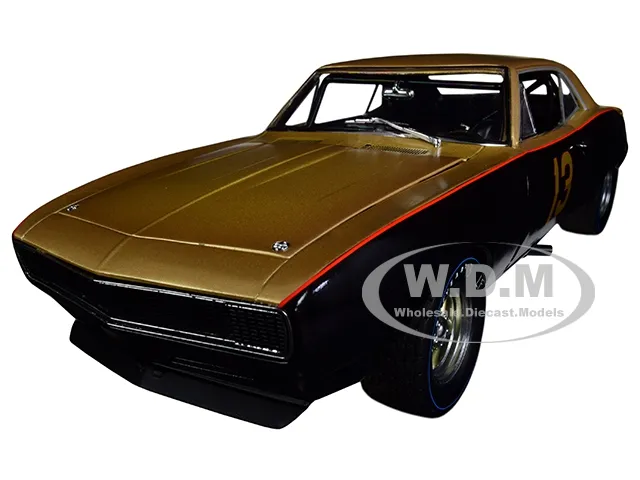
GMP Diecast Still in Business? An Overview
The world of diecast model cars is a passionate hobby, a collector’s dream, and sometimes, a complex business. One name that has resonated with enthusiasts for years is GMP Diecast. Known for their highly detailed and accurately scaled models, GMP once held a prominent position in the market. But the question remains, in a constantly evolving industry, is GMP Diecast still in business? This article delves into the history, challenges, and current status of GMP, offering a comprehensive look at the brand’s journey and its place in the diecast world. Understanding the factors that have shaped GMP’s existence provides insights into the broader trends within the collectibles market, making this an important topic for collectors and business enthusiasts alike. We’ll explore the key moments that defined GMP, from its initial successes to the hurdles it faced, and consider the ultimate fate of this once-revered brand.
The Rise of GMP Diecast
GMP Diecast emerged onto the scene with a clear mission to produce top-of-the-line, meticulously detailed diecast models. The company quickly gained recognition for its commitment to accuracy, focusing on replicating specific vehicles with incredible precision. From the paint finishes to the engine details, GMP aimed to capture the essence of the real-life cars they modeled. This attention to detail, combined with high-quality materials, set GMP apart from many competitors and established a strong reputation among collectors. The brand’s dedication to authenticity quickly translated into a loyal customer base eager to add GMP models to their collections. Their models were not just toys; they were miniature works of art, carefully crafted to appeal to the discerning eye of the serious collector.
Early Success and Popularity

The early success of GMP Diecast was marked by several factors that contributed to its popularity. The company’s choice of subjects, often focusing on iconic race cars and classic automobiles, appealed to a broad audience. Limited production runs and exclusive models further fueled demand, turning GMP models into highly sought-after collectibles. Marketing played a significant role, with GMP emphasizing the quality, realism, and collectibility of its products. Positive reviews in enthusiast magazines and online forums helped spread the word, solidifying GMP’s reputation. The company’s models were frequently showcased at collector events and trade shows, providing opportunities for enthusiasts to see the craftsmanship up close and connect with the brand. The early success of GMP built a solid foundation for future growth and solidified its position as a key player in the diecast industry, leaving an indelible mark on the collecting community.
The Changing Landscape of Diecast Models
The diecast model market has seen significant changes over the years, impacted by factors like evolving consumer preferences, technological advancements, and the rise of new brands. The growth of online marketplaces and e-commerce platforms has altered the way collectors buy and sell, providing new opportunities but also increasing competition. The overall economic climate and consumer spending habits have also played a role, as collectibles are often considered discretionary purchases. Furthermore, the rise of 3D printing and other manufacturing technologies has changed how models are designed and produced, potentially influencing costs and quality. These shifts have forced brands to adapt, innovate, and find ways to differentiate themselves to maintain their market share and appeal to a changing consumer base. Successfully navigating these changes is crucial for any diecast company hoping to thrive in the modern market.
Competition from Other Brands
GMP Diecast faced considerable competition from other established and emerging brands in the diecast market. Companies like Autoart, Minichamps, and Hot Wheels offered their own lines of high-quality models, often targeting similar collector segments. Each brand brought its unique strengths, from Autoart’s emphasis on realism and detail to Hot Wheels’ mass-market appeal and affordable price points. Competition extended beyond product quality; factors like marketing, distribution, and customer service became key differentiators. The ability to secure licenses for popular vehicles and collaborate with automotive manufacturers also played a crucial role in staying competitive. Navigating this crowded landscape required GMP to continually innovate, maintain high standards, and effectively communicate its brand value to both existing and potential customers. Surviving in this challenging market required agility, adaptability, and a strong understanding of collector demands.
Shifting Consumer Preferences

Consumer preferences have evolved over the years, influencing the diecast model market. There’s been a growing interest in models with enhanced features, such as opening parts, detailed interiors, and realistic engine compartments. The demand for limited edition models and exclusive releases has also increased, as collectors seek unique items that can appreciate in value. The rise of online communities and social media has further influenced buying habits, with collectors sharing their opinions, discoveries, and recommendations. The emergence of new collecting trends, such as a focus on specific vehicle types (e.g., Japanese Domestic Market cars) or eras, has also shaped demand. Brands that adapt to these shifts by understanding consumer tastes, incorporating new features, and engaging with collectors online have a greater chance of success. Remaining relevant requires staying informed about current collecting trends and adapting quickly to new demands.
Key Factors Impacting GMP’s Status
Several key factors may have influenced GMP Diecast’s status. Production and manufacturing challenges, such as rising costs and supply chain disruptions, could have impacted the company’s ability to produce models profitably. Distribution and retail issues, including changes in the retail landscape and competition from online retailers, may have also affected GMP’s market presence. Economic downturns and shifts in consumer spending habits could have led to decreased demand for collectibles. The brand’s ability to adapt to these challenges, innovate, and maintain its quality standards played a key role in its longevity. Ultimately, GMP’s current status depends on its ability to navigate these complexities, innovate to meet consumer demands, and maintain its brand value in a dynamic market.
Production and Manufacturing Challenges
The production of high-quality diecast models is complex, with numerous potential challenges. Rising material costs, particularly for metals and paints, can squeeze profit margins. The complexity of manufacturing processes can lead to delays and quality control issues. The availability of skilled labor, essential for detailed assembly and finishing, can also be a constraint. Supply chain disruptions, which became more prominent in recent years, can impact the timely delivery of parts and materials. For a brand like GMP, known for its intricate detail, maintaining consistent quality while managing production costs is a continuous balancing act. Overcoming these challenges requires efficient manufacturing practices, strong supplier relationships, and a commitment to quality control. Addressing these issues is critical for ensuring that models meet the high standards that GMP’s customers have come to expect.
Distribution and Retail Issues

Distribution and retail strategies are critical for a diecast brand’s success. Traditional retail channels, such as hobby shops and specialty stores, have faced challenges from online retailers and changing consumer shopping habits. The costs of distribution, including shipping and warehousing, can be significant. Competition among retailers can also squeeze profit margins. Effective distribution involves reaching the target audience through a variety of channels, including online marketplaces, direct sales, and partnerships with key retailers. Brands must adapt to the evolving retail landscape by offering competitive pricing, efficient delivery options, and excellent customer service. Navigating distribution challenges is about optimizing the supply chain, building strong relationships with retail partners, and effectively reaching the target collector base. In today’s market, a robust distribution strategy is essential for maximizing brand visibility and product availability.
The Current Status of GMP Diecast
Determining the current status of GMP Diecast requires the most up-to-date information. Unfortunately, confirmed official statements from GMP are not always readily available. It is crucial to consult credible sources to ascertain the brand’s operational status. This includes checking official websites, social media channels, and reputable collector forums and news outlets. Assessing current availability of GMP models through retailers and online marketplaces can offer insights into whether production and distribution are ongoing. Analyzing recent news, announcements, or communications from any parent companies is also necessary. Collectors should be aware that the diecast market can change rapidly, so staying informed through reliable channels is essential. Checking the status of a brand like GMP requires constant diligence and reliance on credible sources within the collecting community.
Where to Find Information
Reliable sources are critical for staying informed about GMP Diecast’s status. Official websites, if still active, are a primary resource. Collector forums and online communities dedicated to diecast models often provide valuable insights and updates from fellow enthusiasts. Specialty retailers and hobby shops that carry diecast models can offer information on availability and any recent developments. News articles and industry publications focused on collectibles can provide updates on business changes or brand activities. Social media channels, though they may not always be officially maintained, can be a source of information, although users should always vet the information. Staying connected to these sources helps collectors stay current with industry developments and brand updates.
Possible Future Scenarios

The future of GMP Diecast could take various paths, depending on factors like financial performance, market trends, and strategic decisions. The brand could potentially undergo a restructuring or be acquired by another company in the diecast or collectibles market. Alternatively, GMP could experience a resurgence by adapting its products to meet evolving consumer preferences or entering new market segments. Another possibility is that the brand may remain dormant, with its models becoming even more sought-after by collectors over time. The value of GMP models could increase or decrease based on market conditions and the availability of the models. Understanding these different possible futures requires staying informed and analyzing the forces shaping the diecast industry. Whether GMP’s legacy continues to grow or changes significantly, the future remains subject to market dynamics and business strategies.
The Legacy of GMP Diecast
Regardless of its current status, GMP Diecast has left a significant mark on the diecast model world. Its commitment to detail, accuracy, and quality has earned it a place of reverence among collectors. The models produced by GMP, with their meticulously crafted engines, detailed interiors, and realistic paint finishes, have become treasured possessions for enthusiasts. The brand’s influence can be seen in the continued pursuit of realism and quality by other diecast manufacturers. GMP’s legacy serves as a reminder of the craftsmanship, passion, and attention to detail that define the best in diecast model making. For collectors, owning a GMP model is often a symbol of quality and a piece of model car history, continuing to be cherished long after production ceases.