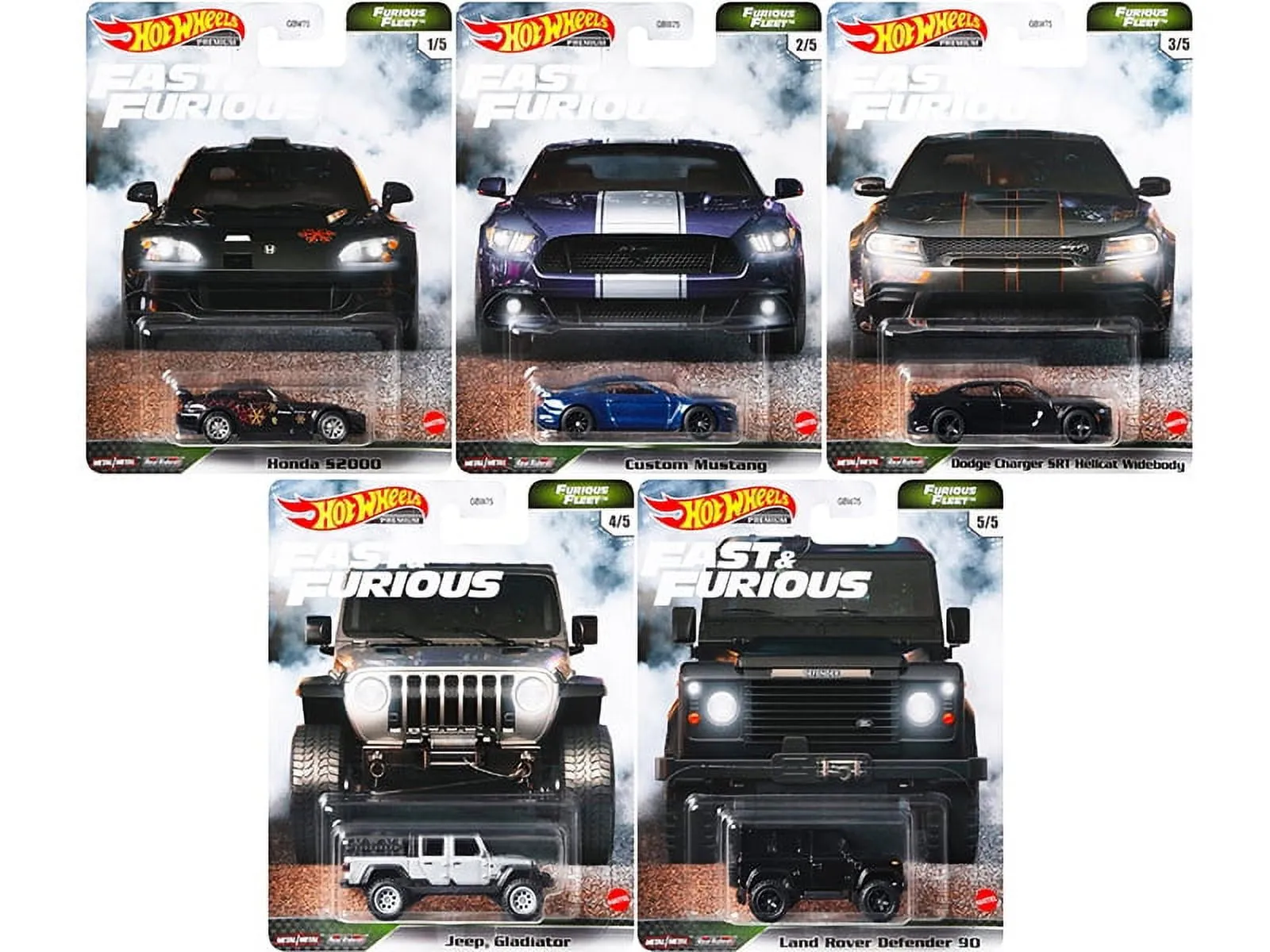
The History of Fast & Furious Diecast Cars
The world of Fast & Furious diecast cars is a vibrant microcosm of the larger automotive and movie memorabilia collecting hobby. These miniature replicas of the iconic vehicles from the Fast & Furious franchise have captivated fans and collectors alike. The journey of these diecast models mirrors the evolution of the film series itself, beginning with simple representations and evolving into highly detailed, sought-after collectibles. The rise in popularity of these models closely parallels the franchise’s global success, with each new film driving increased demand for the cars featured within.
Early Models and Their Significance
The earliest Fast & Furious diecast cars were primarily produced to capitalize on the initial success of the first few movies. These models, while not as detailed as their modern counterparts, hold a special place in the hearts of collectors because they represent the genesis of the franchise’s impact on the car culture. Often, these early models were simpler in design, focusing on the basic shape and features of the cars. However, their historical value lies in their representation of a pivotal moment in both cinematic and collecting history. Finding these early models today can be a treasure hunt, adding to their allure.
Evolution of Diecast Car Detailing

Over time, the level of detail in Fast & Furious diecast cars has increased dramatically. Modern models feature intricate interior designs, accurate paint schemes, detailed engine compartments, and realistic tires. This evolution reflects advancements in manufacturing technology and a growing demand for accuracy among collectors. Manufacturers have invested in creating highly detailed replicas, incorporating features like photo-etched parts, realistic decals, and even opening doors and hoods. This commitment to detail has transformed diecast cars from simple toys into premium collectibles.
Top 5 Facts About Fast & Furious Diecast Cars
Fact 1 Rarity and Value
The value of a Fast & Furious diecast car is heavily influenced by its rarity. Limited edition models, those produced in small quantities, and cars that are no longer in production often command higher prices. Condition is also a crucial factor; mint-in-box models are highly prized. The market for these cars fluctuates based on collector demand, the popularity of the specific car, and the overall condition of the model. Some cars, like those associated with key moments in the movies or driven by beloved characters, become instant collectibles and appreciate significantly in value.
Factors Affecting Value

Several factors contribute to the value of a Fast & Furious diecast car. Limited production runs, special editions, and promotional models increase value. The accuracy of the detailing, including paint, decals, and interior features, also plays a role. Furthermore, the car’s historical significance, such as being featured in a memorable scene or driven by a popular character, adds to its desirability and value. The presence of original packaging and any accompanying paperwork can also significantly influence the price a collector is willing to pay.
Fact 2 Iconic Car Recreations
Many Fast & Furious diecast cars are iconic recreations of the vehicles featured in the movies. These include the legendary Dodge Charger driven by Dominic Toretto, Brian O’Conner’s Nissan Skyline GT-R, and many other cars that defined the franchise. These models allow fans to own a tangible piece of movie history, fueling their popularity. The accuracy of these recreations extends beyond the exterior appearance, often including detailed recreations of modifications and customizations seen on the big screen, making them highly desirable for collectors.
The Cars That Defined the Franchise
Certain cars have become synonymous with the Fast & Furious franchise. The Dodge Charger, Toyota Supra, and Nissan Skyline GT-R are just a few examples. These cars, often featured in key scenes, have developed a cult following of their own. Diecast models of these vehicles are consistently in high demand. The manufacturers often collaborate with the film studios to ensure the models are faithful reproductions, adding to their appeal. These cars are more than just collectibles; they are symbols of the Fast & Furious legacy.
Fact 3 Scale and Detail

Diecast cars are produced in various scales, each offering a different level of detail and size. Common scales include 1:18, 1:24, and 1:43, where the model is a scaled-down version of the real car. The larger the scale, the more detailed the model tends to be, allowing for intricate features and greater accuracy. Collectors often specialize in a specific scale, and their choices influence their collecting habits. The choice of scale can also influence the price, with larger scales usually being more expensive due to the increased detail and manufacturing costs.
Common Scales Used
The most common scales for Fast & Furious diecast cars are 1:18, 1:24, and 1:43. 1:18 scale models are larger and offer the most detail, making them popular among serious collectors. 1:24 scale models offer a balance of detail and size, and are ideal for starting collections. 1:43 scale models are smaller and more affordable, allowing collectors to build a diverse collection. The scale chosen by a collector depends on factors like display space, budget, and the desired level of detail.
Fact 4 Materials and Manufacturing
Diecast cars get their name from the ‘die-casting’ process, which involves injecting molten metal (typically zinc alloy) into molds. This creates durable and detailed car bodies. High-quality models use advanced techniques to include intricate details such as separate plastic or rubber parts for the interior, tires, and other components. The quality of the materials and manufacturing process greatly impacts a model’s longevity, detail, and overall value. Some models even feature working parts like opening doors, hoods, and steering wheels, adding to their realism and collectibility.
Diecast vs. Plastic Construction

Diecast models are primarily constructed from metal, providing a heft and durability that plastic models lack. Plastic models are often lighter and less expensive to produce, which can be suitable for entry-level collectors or general play. However, diecast cars offer a higher level of detail and a more premium feel. The use of metal allows for more intricate detailing, such as fine lines, curves, and realistic paint finishes, which are essential for high-quality replicas. Therefore, diecast construction is typically preferred by serious collectors looking for accurate representations of their favorite Fast & Furious vehicles.
Fact 5 Collectibility and Community
Collecting Fast & Furious diecast cars is more than a hobby; it’s a vibrant community. Collectors often share their passion online through forums, social media groups, and dedicated websites. They trade information, showcase their collections, and help each other find rare models. This sense of community enhances the overall experience, providing a place for enthusiasts to connect and share their love for the franchise and its iconic cars. This shared enthusiasm fuels the market and keeps the hobby thriving, constantly creating a vibrant and dynamic environment for collectors.
Joining the Diecast Car Community
Joining a diecast car community is easy, with many online resources available. Social media platforms host numerous groups where collectors share photos, discuss models, and offer advice. Online forums dedicated to diecast cars provide a space for in-depth discussions and the exchange of information. Attending diecast car shows and conventions is another great way to connect with other collectors, see models up close, and often buy and sell items. These communities offer a welcoming environment for both novice and experienced collectors.
Where to Find Fast & Furious Diecast Cars

Finding Fast & Furious diecast cars involves a combination of online and in-person shopping. The best approach often involves a combination of both. The popularity of the franchise has made these cars readily available at many locations. With a little research and patience, any collector can build a great collection of their favorite vehicles. Keeping an eye out for new releases, limited editions, and special promotions is a great way to expand any collection.
Online Marketplaces
Online marketplaces are excellent sources for Fast & Furious diecast cars. Websites like eBay and Amazon offer a vast selection of models, both new and used. These platforms often feature rare and vintage cars. Collectors can compare prices, read reviews, and bid on auctions to find the best deals. Using these sites does require due diligence to ensure the authenticity and condition of the models. Regularly checking these sites and setting up alerts for specific models can help collectors stay up-to-date on the latest listings.
Specialty Shops and Retailers
Specialty shops and retailers are also ideal for finding Fast & Furious diecast cars. Hobby shops, toy stores, and dedicated diecast car retailers carry a variety of models, often including limited editions and exclusive releases. These stores allow collectors to see the cars in person, inspect them for condition, and receive expert advice. Visiting local stores allows collectors to build relationships with sellers. Big box stores and major online retailers also often stock Fast & Furious diecast cars, especially when a new movie is released, making it easier to expand collections.