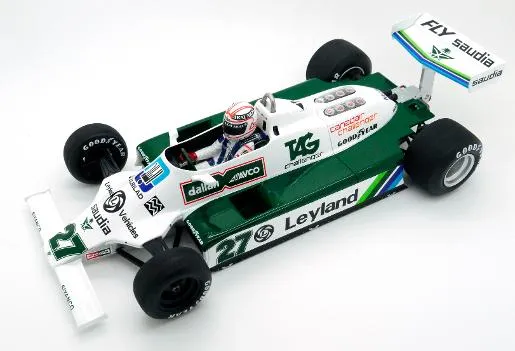
F1 diecast conversions offer a fantastic opportunity to personalize and enhance your collection. It’s a rewarding hobby that allows you to transform standard models into unique, highly detailed replicas. This guide will walk you through the initial steps, providing you with the essential knowledge to begin your F1 diecast conversion journey. From planning and material selection to the final assembly, get ready to bring your vision to life and create stunning miniatures of your favorite F1 cars. This guide assumes no prior experience, making it ideal for beginners eager to dive into the world of model customization.
Planning Your F1 Diecast Conversion
Before you even touch a tool, careful planning is crucial. Decide which car you want to replicate. Research the specific year, team, and livery of the F1 car you’re aiming for. Gather reference photos from multiple angles. These will be invaluable throughout the conversion process. Determine the scale you want to work with, such as 1:18, 1:43, or 1:24. The scale affects the availability of parts, decals, and the level of detail you can achieve. Create a detailed plan outlining the modifications needed, including the painting scheme, decals, and any additional parts you may need to purchase or create. Good planning saves time and resources and leads to a much more satisfying end result.
Choosing the Right F1 Diecast
Selecting the right base model is paramount. Start by choosing a diecast model that closely resembles the car you want to convert. Look for a model with a similar body shape and overall design. Consider the quality of the original model; higher-quality models often offer better detail and are easier to work with. Check online marketplaces and hobby shops for available models. Look for models from reputable brands like Minichamps, Spark, or CMC. These brands generally provide excellent detail and build quality. Think about the cost; the base model’s price significantly impacts the overall project cost. Balance quality and affordability to get the best value for your investment. Consider whether you would like to get a new or second hand model.
Scale and Accuracy

Scale accuracy is fundamental for a realistic conversion. 1:18 scale models offer a great balance of detail and manageable size. 1:43 scale is a more common and affordable option but demands more precision. Ensure that the scale of the diecast model matches the parts and decals you will use. Check dimensions of the original car, compare the diecast, and adjust your expectations based on the scale you are working with. Accurate measurements and scaling of details are critical for achieving an authentic look. Research the car’s specific features, like wing designs, aerodynamic elements, and sponsor logos, to ensure they match your chosen scale. Pay attention to the small details that bring the model to life.
Materials and Tools Required
The right tools and materials are essential for a successful F1 diecast conversion. Investing in quality tools saves time and frustration. Gather various paints, including primers, base coats, and clear coats. Acrylic paints are popular for their ease of use and cleanup. Decals are a significant aspect. Buy high-quality decals specifically designed for the model or source them from custom decal makers. You’ll also need various adhesives like super glue, epoxy, and plastic cement. Prepare a dedicated workspace with good lighting and ventilation. Consider purchasing a cutting mat, hobby knives, and fine-tipped brushes. Patience, good lighting, and organization are your greatest assets.
Essential Tools for Diecast Conversions
A comprehensive tool kit is vital. You’ll need a set of precision screwdrivers for disassembling the model. Hobby knives and X-Acto blades are essential for cutting, trimming, and detailing. Tweezers and needle-nose pliers are invaluable for handling small parts. A small drill with various drill bits is handy for adding detail and making modifications. Sanding sticks or fine-grit sandpaper are required for smoothing surfaces and preparing the model for painting. Airbrushes and compressors are highly recommended for achieving a smooth, even paint finish. Also, a cutting mat to protect your workspace, and a magnifying glass or a head-mounted magnifier for close-up work will be a great help.
Required Materials for Diecast Conversions

Quality materials are just as important as the tools. Primers are used to prepare the surface for painting, and base coats provide the color of the model. Clear coats protect the paint and give a glossy finish. High-quality acrylic paints specifically designed for model making are recommended. Decal setting solutions help decals conform to curved surfaces and prevent silvering. Detail paints in various colors are perfect for adding accents and small details. You’ll need different grades of sandpaper, from fine to ultra-fine, for sanding and polishing. Consider using plastic putty or modeling clay for filling gaps and imperfections.
Disassembly and Preparation
Disassembly is the first step in transforming your diecast model. Carefully remove the model’s body parts, wheels, and other components. Keep a detailed record of the disassembly process, which is helpful when reassembling the model. Take photographs to remember how parts fit together. Store the removed parts in labeled containers to prevent loss. Use the right tools to avoid damaging the model. A careful approach will ensure a successful and damage-free process. Be patient and take your time to avoid unnecessary damage.
Removing the Original Parts
Use the appropriate screwdrivers to remove screws. Some models might require you to carefully pry apart glued components. Employ hobby knives or specialized tools to separate parts that are glued together. Be mindful of the fragile nature of some parts like mirrors and wings. Carefully label and store all screws and small parts in clearly labeled containers to avoid losing them during reassembly. If you encounter stubborn parts, apply heat gently with a hairdryer to soften the adhesive before attempting to remove them. Patience and precision are key to a successful disassembly.
Cleaning and Surface Preparation

Before painting, thoroughly clean all parts of the diecast model. Use warm, soapy water to remove any dirt, grease, or oil. Rinse the parts thoroughly and allow them to dry completely. Inspect the surfaces for imperfections. Use fine-grit sandpaper or sanding sticks to smooth out any flaws or imperfections. Fill any gaps or imperfections with plastic putty or modeling clay, and then sand smooth. Primer provides an ideal surface for the paint to adhere to, increasing the durability and enhancing the finish. Apply a thin, even coat of primer, and let it dry completely before moving to the next step.
Conversion Process Painting & Detailing
Painting and detailing breathes life into your F1 diecast conversion. Use an airbrush for applying paint evenly. Protect yourself with a mask and work in a well-ventilated area. Take advantage of masking tape and masking fluid to achieve clean lines and distinct color separation. Use multiple thin coats of paint instead of one thick coat to avoid runs and drips. Apply decals carefully and use decal setting solutions for a perfect fit. Add details using fine brushes and detail paints to bring the model to life. Patience and attention to detail are essential for a professional-looking finish.
Priming and Base Coating
Apply a thin, even layer of primer to all the model parts. Let the primer dry completely, then lightly sand any imperfections. Apply the base coat using an airbrush. Apply several thin coats of paint, allowing each coat to dry completely before applying the next. Avoid thick coats, as they can lead to runs and imperfections. Ensure each coat covers the surface evenly and that the color is consistent. The base coat should be a solid, uniform color, ready for decals and further detailing.
Applying Decals and Markings

Decals play a significant role in the realism of your F1 diecast conversion. Cut each decal carefully from the sheet. Dip the decal in water for a short time until it releases from the backing paper. Slide the decal onto the model surface in the correct position. Use a soft cloth or cotton swab to gently remove any air bubbles and excess water. Use a decal setting solution and a decal softener to help the decals conform to the model’s contours. After the decals have dried, apply a clear coat to protect them and seal them onto the model.
Weathering and Finishing Touches
Weathering adds realism and depth to your model. Use weathering powders, washes, or dry brushing techniques to simulate dirt, dust, and wear. Apply washes to panel lines and details to enhance their definition. Dry brushing can highlight raised details and edges. Use a matte clear coat to seal the weathering and give the model a realistic finish. Pay attention to details. Add small details like seatbelts, wiring, and other components to add realism. Ensure all additional parts and details match the original car.
Assembly and Finalizing Your Model
Reassembling your diecast model requires the same care as the disassembly process. Take the time to ensure that all parts fit together properly. Refer to your notes and photos to ensure that everything goes back in its correct place. Inspect the model thoroughly for any imperfections or areas that need touch-ups. Use a clear coat to protect the paint and decals. Be patient and meticulous. It is important to maintain the original model’s integrity. Take breaks if needed to avoid mistakes.
Reassembling the Diecast

Carefully reassemble the model, referring to your notes and photos. Ensure all parts fit correctly and are securely fastened. Use the original screws to reattach the parts. If any parts have been modified, make sure that they do not interfere with the model’s assembly. If necessary, use a small amount of glue to secure any parts. Double-check that all decals are properly positioned and that the paint has a consistent finish. Take your time to ensure that the model is as close to perfect as possible.
Displaying and Protecting Your F1 Diecast
Once your F1 diecast conversion is complete, you’ll want to display it. Display cases offer protection from dust and damage, preserving the model’s appearance. Ensure the display case has good lighting. Keep the model away from direct sunlight, which can fade the paint. Consider creating a small diorama setting to enhance the display. Use archival materials to create a display. Regular cleaning is a good practice. By following these steps, you can enjoy your hard work for years.
F1 diecast conversions are a challenging but rewarding hobby. With planning, patience, and attention to detail, you can transform standard models into unique and stunning replicas. Enjoy the journey of learning and improving your skills. Embrace the challenges, learn from mistakes, and savor the satisfaction of creating something beautiful. Happy modeling!