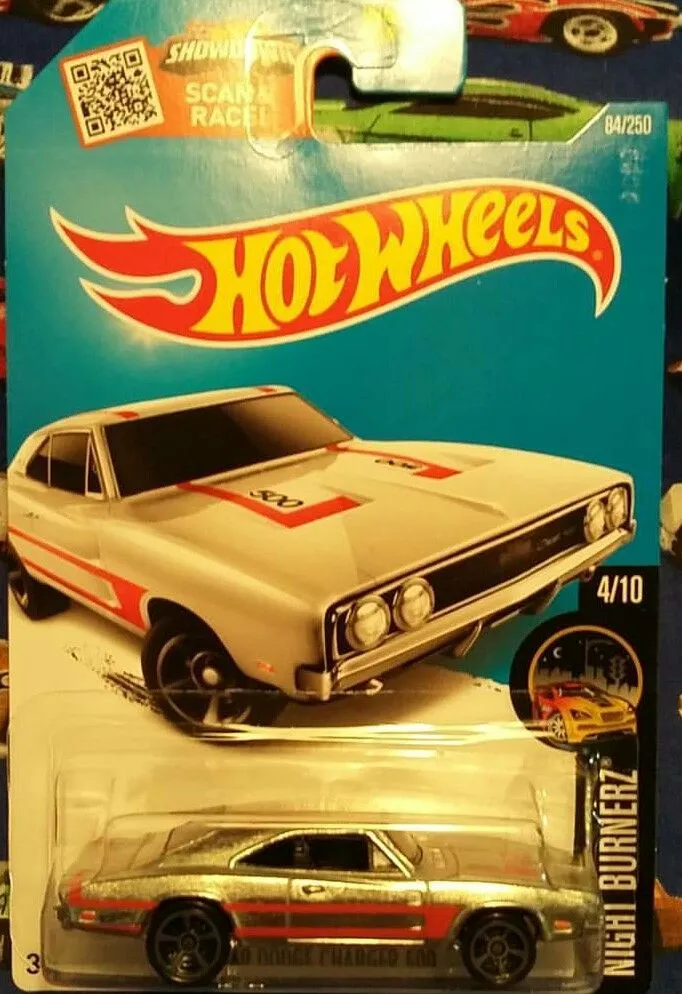
Understanding Diecast Toys
Diecast toys represent a fascinating world where nostalgia meets intricate craftsmanship. These miniature replicas of vehicles, aircraft, and other objects have captivated collectors and enthusiasts for generations. Beyond their aesthetic appeal, diecast toys offer a tangible connection to history, engineering, and design. The allure of diecast toys lies in their ability to transport us back to cherished memories, celebrate iconic vehicles, and provide a rewarding hobby. This article unveils the secrets behind successful diecast toy collecting, offering insights for both beginners and seasoned collectors.
What Exactly Are Diecast Toys?
Diecast toys are typically made using a die-casting process. This involves injecting molten metal, usually zinc alloys, into a mold to create detailed and durable models. The term “diecast” refers to the metal molds (dies) used in this process. The result is a solid, well-constructed toy that can withstand years of play and handling. These toys are characterized by their weight and the fine details that can be achieved through die-casting. Common diecast subjects include cars, trucks, airplanes, and military vehicles, but the range extends to various objects.
The History of Diecast Toys

The history of diecast toys dates back to the early 20th century, with advancements in die-casting technology paving the way for their popularity. Early examples were often simple and served as promotional items. However, as manufacturing techniques improved, so did the complexity and detail of these miniature models. Companies like Dinky Toys and Corgi Toys rose to prominence, producing highly detailed and collectible diecast vehicles. The post-war era saw a surge in the popularity of diecast toys, reflecting the growing interest in automobiles and other technological advancements. The evolution of diecast toys mirrors the advancement of manufacturing processes and the changing tastes of consumers.
Top 5 Collecting Secrets
Secret 1 Know Your Scale
One of the essential aspects of diecast toy collecting is understanding scales. Scales represent the ratio between the model and the real-life object. Common scales include 1 18, 1 24, 1 43, and 1 64. Each scale offers a different level of detail and size. Choosing a scale is a personal preference, but consider the available space and the level of detail you desire. Building a collection around a specific scale helps maintain consistency and allows for easy comparison and display. Familiarizing yourself with common scales ensures you know what you are buying and ensures you will be able to easily display them at home.
Different Diecast Scales Explained

Different diecast scales offer varied levels of detail and size. 1 18 scale models are generally large and highly detailed, ideal for showcasing intricate features. 1 24 scale models are also popular, offering a good balance between size and detail. 1 43 scale models are smaller, making them easier to display in large numbers. 1 64 scale models, often referred to as “matchbox” or “hot wheels” size, are compact and affordable, perfect for building a diverse collection. The scale you choose will depend on your preferences and budget. Knowing about the different scales available allows you to better evaluate the value of a diecast toy.
Secret 2 Research and Choose Wisely
Before purchasing any diecast toy, do your research. Understand the model’s history, rarity, and potential value. Explore online resources, collector forums, and price guides to gain insights. Consider the manufacturer’s reputation for quality and detail. Examine photos and videos to assess the model’s accuracy and craftsmanship. Focusing on specific brands that you enjoy is a great way to start. Look for models that resonate with your interests and align with your collecting goals. Building a diverse collection is great, but building a collection you enjoy is even better. This proactive approach helps you make informed decisions and avoid impulse buys.
Secret 3 Condition is King
The condition of a diecast toy significantly impacts its value. Examine the model carefully for any damage, such as scratches, dents, or missing parts. Check the original packaging, as it contributes to the model’s overall value. The closer the condition is to “mint,” the more valuable the toy will be. Strive to acquire models in excellent condition, particularly for investment purposes. Proper storage and handling are essential to preserve the model’s condition. Keep them away from direct sunlight, moisture, and extreme temperatures. Assess the toy’s condition thoroughly and be prepared to pay a premium for well-preserved examples. If you’re concerned about the toy’s condition, consider purchasing a protective case.
Secret 4 Storage and Preservation Tips

Proper storage is crucial for preserving the value and condition of your diecast toys. Store your models in a cool, dry place away from direct sunlight. Sunlight can cause paint fading and damage to the model’s materials. Consider using display cases or protective boxes to shield your models from dust, scratches, and other environmental factors. Avoid stacking models, as this can lead to damage. Regularly inspect your collection for any signs of deterioration. Consider cleaning your diecast toys with a soft cloth to remove dust and debris. By implementing these storage practices, you can protect your investment and enjoy your collection for years to come. Remember that the longevity of your collection depends on the care you give it.
Secret 5 Building a Community
Connect with other diecast toy collectors to share knowledge, exchange models, and learn from their experiences. Participate in online forums, social media groups, or local collector clubs. Attend toy shows, auctions, and events to meet other enthusiasts. Exchanging information with other collectors is a great way to learn about the history of the toys, as well as their rarity. Building a community can help you expand your knowledge, discover rare finds, and enhance your collecting journey. Networking with other collectors provides you with access to valuable insights and opportunities. Don’t hesitate to ask questions and share your passion for diecast toys. Building a community will help you in all aspects of your hobby.
Where to Find Diecast Toys
Online Marketplaces

Online marketplaces like eBay, Etsy, and specialized diecast toy websites offer a vast selection of models from various sellers. These platforms provide a convenient way to browse and compare prices. Be sure to carefully review the seller’s feedback and descriptions before making a purchase. Look for sellers with high ratings and detailed product descriptions. Compare prices across different listings to ensure you’re getting a fair deal. Utilize the search filters to narrow down your options based on scale, brand, condition, and price range. Online marketplaces offer a convenient way to build your collection from the comfort of your home.
Specialty Stores
Specialty stores dedicated to diecast toys provide a curated selection of models, expert advice, and a more personal shopping experience. These stores often feature rare and vintage models that you may not find elsewhere. The staff in these stores are often knowledgeable collectors who can assist you in finding specific models. Visiting specialty stores allows you to examine the toys in person, assess their condition, and build relationships with other collectors. Support local businesses and take advantage of their expertise. You can also learn about special events and sales. Specialty stores provide a more interactive and engaging way to build your collection.
Auctions and Events
Auctions and toy shows are exciting venues to discover unique and valuable diecast toys. Auctions can provide opportunities to acquire rare models at competitive prices, but be prepared to bid. Toy shows often feature a wide variety of vendors selling their collections. Attending these events provides an excellent opportunity to meet other collectors, network, and find unique pieces. Research upcoming auctions and toy shows in your area. Set a budget and stick to it during bidding. These events offer a dynamic and engaging way to expand your collection. Always do your due diligence to avoid overpaying for a toy.
Conclusion

Diecast toy collecting is a rewarding hobby that combines history, craftsmanship, and a passion for miniature replicas. By understanding the basics, following these collecting secrets, and connecting with other enthusiasts, you can build a valuable and fulfilling collection. Whether you’re a seasoned collector or a newcomer, the world of diecast toys offers endless possibilities for discovery and enjoyment. Embrace the journey and cherish the thrill of finding that perfect model to add to your collection. Remember to always research, preserve, and engage with the community to maximize your enjoyment. Happy collecting!