
What is a Diecast Toyota Avensis
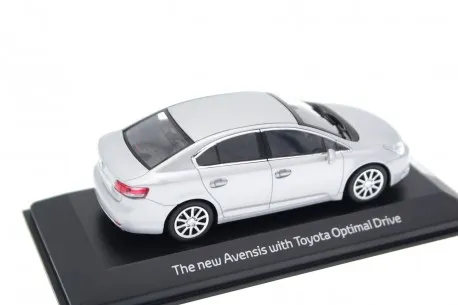
Diecast Toyota Avensis models are miniature replicas of the real-life Toyota Avensis automobile, meticulously crafted using a process called die-casting. This involves injecting molten metal, typically zinc alloy, into molds to create detailed and accurate representations of the car. These models are highly sought after by collectors and enthusiasts who appreciate the craftsmanship and attention to detail that goes into their creation. These models are not just toys; they are miniature works of art that capture the essence of the Toyota Avensis. The level of detail can range from basic representations to highly accurate recreations, depending on the manufacturer and the scale of the model. The appeal of these models lies in their ability to bring the iconic car into the hands of collectors, providing a tangible connection to a beloved vehicle, and often representing the history of the car itself.
Accuracy in Diecast Models
The accuracy of a diecast Toyota Avensis model is paramount to its value and appeal. Model makers strive to replicate the car’s dimensions, features, and overall appearance as faithfully as possible. This involves studying the original car’s blueprints, photographs, and specifications to ensure that every detail, from the body lines to the interior components, is accurately represented. The precision of the mold-making process, the quality of the materials used, and the skill of the painters and assemblers all contribute to the overall accuracy of the finished model. High-quality models often include functional features such as opening doors, hoods, and trunks, further enhancing their realism. These detailed features help collectors appreciate the model and the car it represents.
Scale and Proportions

Diecast models are produced in various scales, with the most common being 1 18, 1 24, and 1 43. The scale refers to the ratio between the model’s size and the actual car’s size. For example, a 1 18 scale model is 1/18th the size of the real car. Each scale offers a different level of detail and a different collecting experience. Larger scale models, such as 1 18, allow for more intricate detailing and functional features, while smaller scales, such as 1 43, are more compact and suitable for displaying a large collection. The choice of scale often depends on the collector’s preferences, available display space, and the level of detail they desire. Accurate proportions are crucial for a model’s visual appeal, ensuring that the model looks like a scaled-down version of the original car.
Materials Used in Diecast Avensis
The materials used in diecast Toyota Avensis models significantly impact their quality, durability, and overall appearance. The primary material is typically a zinc alloy, also known as zamak, which is ideal for die-casting due to its ability to reproduce intricate details and its strength. Other materials, such as plastic, rubber, and sometimes even fabric, are used for various components. The choice of materials affects the model’s weight, texture, and the level of detail that can be achieved. High-quality models often use more premium materials and advanced manufacturing techniques to ensure the model’s longevity and accuracy. The combination of these materials creates a realistic and tactile model that is both enjoyable to collect and display.
Metal Components
Metal components, primarily made of zinc alloy, form the core structure of diecast Toyota Avensis models. This alloy is chosen for its ability to be cast into complex shapes with high precision, allowing for detailed body panels, chassis, and other structural parts. The metal provides the model with weight and a solid feel, enhancing its authenticity. The quality of the metal and the die-casting process directly impact the model’s finish and durability. Careful polishing and surface treatment are essential to achieve a smooth, realistic appearance. The metal components are often the defining characteristic of a diecast model, giving it a premium feel that sets it apart from plastic toys. These components are essential for the model’s structure and realistic appearance.
Plastic Components

Plastic components play a vital role in the diecast Toyota Avensis model, complementing the metal structure with detailed features. Plastic is used for various parts, including the interior, dashboard, seats, and smaller exterior components like lights, mirrors, and trim. The use of plastic allows for intricate designs that are difficult to achieve with metal, such as finely detailed dashboards or realistic headlights. High-quality plastics are used to ensure the model’s durability and a realistic appearance. The combination of metal and plastic allows for a blend of strength and detail, resulting in a model that is both visually appealing and structurally sound. These plastic elements significantly enhance the model’s overall level of detail and realism.
Detailed Interior Features
The interior details of a diecast Toyota Avensis are where the model truly comes to life. Model makers strive to replicate the car’s interior with incredible accuracy, including features such as the dashboard, steering wheel, seats, and center console. The level of detail can range from basic representations to highly detailed recreations with textured surfaces, accurate instrument panels, and even seatbelts. These interior features contribute to the model’s overall realism and make it more appealing to collectors. The interior is often visible through the model’s windows and doors, allowing for a closer inspection of the craftsmanship involved. The accurate representation of the interior is often a key factor in determining the value and desirability of a diecast model.
Dashboard and Controls
The dashboard and controls of a diecast Toyota Avensis are meticulously recreated to provide an accurate representation of the car’s interior. The dashboard features detailed instrument panels, including speedometers, tachometers, and fuel gauges, all precisely scaled down to fit the model. The controls, such as the steering wheel, gear shift, and buttons, are also accurately represented. High-quality models may include features like detailed dials, printed graphics, and even textures to simulate the materials used in the real car. The dashboard and controls are a focal point of the interior, adding significant realism and making the model more attractive to collectors. The level of detail in this area demonstrates the model maker’s commitment to accuracy and craftsmanship.
Seating and Upholstery
The seating and upholstery in a diecast Toyota Avensis model are designed to replicate the comfort and style of the original car. Model makers often use a combination of plastic and fabric to create realistic seats. The seats may feature textured surfaces, such as fabric or simulated leather, to mimic the look and feel of the real car’s upholstery. The seats’ shape and design are accurately reproduced, including details like stitching, headrests, and armrests. The quality of the materials and the attention to detail in the seats and upholstery contribute significantly to the overall realism of the model. These features add to the model’s visual appeal and make it a more desirable collector’s item. The seats are a critical element in capturing the essence of the Toyota Avensis’s interior.
Realistic Exterior Design
The exterior design of a diecast Toyota Avensis is crucial for capturing the car’s iconic appearance. Model makers meticulously replicate the car’s body lines, curves, and overall shape to create an accurate representation. The level of detail can vary, but high-quality models feature precise panel gaps, realistic door handles, and accurate windows. The paint finish is also an important aspect of the exterior design, contributing to the model’s overall appearance. The exterior design must be accurate to make the model a true reflection of the original car. Collectors value the attention to detail and the effort model makers put into recreating the Toyota Avensis’s exterior design. The exterior is the first thing a collector sees, so accuracy here is very important.
Paint and Finish
The paint and finish of a diecast Toyota Avensis model play a significant role in its overall appearance and collectibility. Model makers use various painting techniques to achieve a realistic and durable finish. High-quality models often feature multiple layers of paint, meticulously applied to create a smooth, glossy surface. The paint color should match the original car’s color as closely as possible. The finish can range from solid colors to metallic or pearlescent finishes, adding depth and realism to the model. The paint quality is a key indicator of the model’s craftsmanship and its value to collectors. The paint protects the model and enhances the exterior’s overall appearance.
Wheels and Tires

Wheels and tires are essential components of a diecast Toyota Avensis model, contributing to its overall realism and aesthetic appeal. Model makers accurately replicate the design of the wheels and tires, paying attention to details such as the wheel type, tire tread, and tire sidewall markings. The wheels are often made of metal or plastic and are precisely designed to match the car’s original wheels. The tires are typically made of rubber and feature realistic tread patterns. The quality of the wheels and tires significantly impacts the model’s appearance and its value. These details add to the realism of the model and enhance its collectibility. Accurate wheels and tires complete the overall look of the model.
Collectibility and Value
The collectibility and value of a diecast Toyota Avensis model are influenced by several factors, including its rarity, condition, and the manufacturer. Limited edition models, those produced in smaller quantities, are often more valuable than mass-produced models. The condition of the model is critical, with models in pristine condition commanding higher prices. The manufacturer’s reputation also plays a role, with models from renowned diecast companies generally being more desirable. Demand from collectors also drives value, as popular models and those that accurately represent iconic versions of the Toyota Avensis often fetch higher prices. The collectibility is a key factor in what makes a model valuable, often dependent on the model’s history and how accurately it represents the real-world vehicle.
Factors Affecting Value
Several factors influence the value of a diecast Toyota Avensis model. These factors include the model’s rarity, its condition, the manufacturer, and its historical significance. Limited edition models, those produced in fewer numbers, are typically more valuable than common models. The model’s condition is also crucial; models in mint condition with their original packaging are generally worth more. Models from well-known diecast manufacturers, such as those known for their quality and attention to detail, are often more desirable. Additionally, models that represent significant versions of the Toyota Avensis, such as special editions or race cars, are often more valuable to collectors. These models are seen as important pieces of automotive history and the craftsmanship involved.
Rarity and Editions

Rarity and special editions significantly impact the collectibility and value of diecast Toyota Avensis models. Limited production runs, exclusive releases, and models with unique features are highly sought after by collectors. These models are often considered more valuable because they are harder to find and represent a special aspect of the Toyota Avensis. Special editions might include models with specific paint schemes, unique detailing, or variations of the car. The scarcity of these models increases their desirability and value. Collectors often seek out these rare editions to complete their collections and showcase their appreciation for the Toyota Avensis.