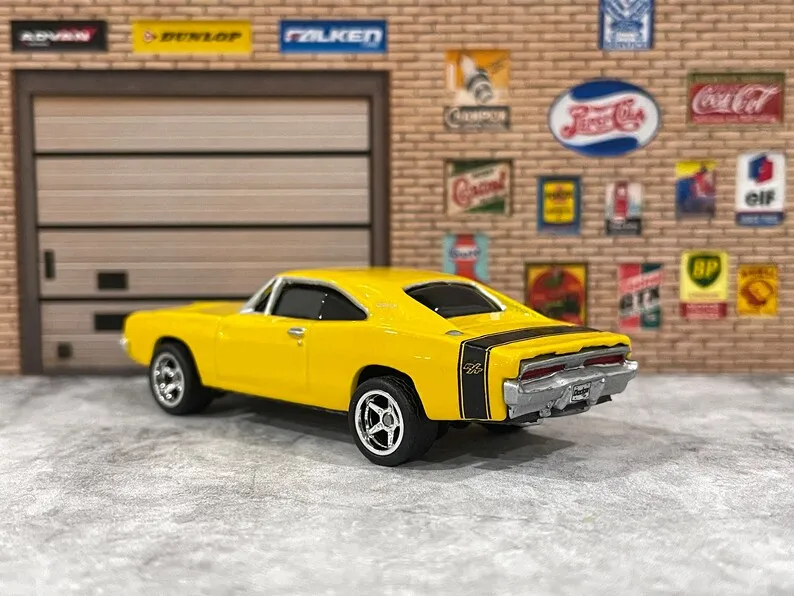
Top 7 Facts about 1969 Dodge Charger Diecast
The 1969 Dodge Charger diecast model cars are highly sought after by collectors and car enthusiasts alike. These miniature replicas capture the essence of an iconic muscle car, allowing owners to appreciate the beauty and history of the original vehicle. This article delves into seven fascinating facts about these diecast models, exploring their design, features, and significance in the world of collectibles. From the accuracy of the detailing to the historical context, each fact provides a deeper understanding of what makes these models so special. Discover why the 1969 Dodge Charger diecast remains a favorite amongst collectors and what makes them a valuable addition to any collection. Prepare to be amazed by the level of detail and the rich history behind these miniature masterpieces.
The Iconic Design of the 1969 Charger Diecast
The design of the 1969 Dodge Charger diecast perfectly replicates the original car’s distinct features. The sleek lines, hidden headlights, and distinctive rear end are all accurately reproduced. The attention to detail in the diecast models is remarkable, with designers striving to capture the essence of the Charger’s iconic look. The use of high-quality materials ensures that the models not only look stunning but also feel durable. Collectors often appreciate the models’ authenticity, as they faithfully represent the classic car. The precise replication of the Charger’s body shape, along with the accurate proportions, makes it an instantly recognizable and highly desirable piece for any car enthusiast. These design elements make the diecast models a true testament to the legacy of the 1969 Dodge Charger.
Detailed Interior Features of the Diecast Model

Inside the diecast models, the interior details mirror the original Charger’s cabin. Designers meticulously recreate the dashboard, seats, and steering wheel, using materials that mimic the feel of the real car. Many models include features like detailed instrument panels, accurate gear shifters, and even tiny seatbelts. The level of detail often extends to the door panels, which may include accurate representations of the door handles and window controls. Collectors often marvel at the craftsmanship involved in recreating such intricate components. The interior detailing not only adds to the model’s aesthetic appeal but also provides a deeper appreciation for the original car’s design. This level of detail is a hallmark of high-quality diecast models, making them a prized possession for collectors. These precise interior elements enhance the overall appeal of the diecast models, creating a realistic and engaging experience.
Accurate Exterior Details of the Diecast
The exterior details of the 1969 Dodge Charger diecast models are meticulously crafted to match the original car’s specifications. From the iconic grill and front fascia to the rear taillights and emblems, every element is carefully reproduced. Paint colors are often chosen to match the original Charger’s available hues, offering collectors various options to choose from. The models also include realistic tires, wheels, and chrome accents, enhancing their overall appearance. The level of precision extends to the windows, which are often made of transparent materials to give a clear view of the interior. Many diecast models feature opening doors, hoods, and trunks, allowing for a closer look at the engine and interior. The attention to detail in these exterior elements makes the diecast models a true representation of the classic car, captivating collectors with their authenticity and beauty.
The Significance of Scale in Diecast Models
The scale of a diecast model is a crucial factor that influences its appearance, detail, and value. Different scales represent the ratio between the model’s size and the original car’s size. Common scales include 1:18, 1:24, and 1:43, each offering a unique viewing experience. The scale determines the level of detail that can be incorporated into the model. Larger scales, like 1:18, often feature more intricate details, opening parts, and interior features. Smaller scales, such as 1:43, are more compact and suitable for displaying multiple models in a smaller space. Collectors often choose models based on their preferred scale, considering factors like space, detail, and cost. The scale also impacts the model’s price, with larger models generally being more expensive due to the increased complexity and materials. Understanding the significance of scale helps collectors make informed decisions when acquiring diecast models, ensuring they find models that meet their preferences and collecting goals. The right scale enhances the overall enjoyment of the collectible.
Common Scales for 1969 Charger Diecast

Several scales are commonly used for 1969 Dodge Charger diecast models, each offering unique advantages. The 1:18 scale is a popular choice, known for its detailed features, opening doors, and accurate interior elements. Models in this scale are larger and allow for intricate designs. Another prevalent scale is 1:24, which provides a balance between detail and size. These models are generally smaller than 1:18 scale, making them suitable for those with limited display space. The 1:43 scale is often used for more compact models and allows for easy display alongside other cars. This scale is ideal for collectors who want to amass a diverse collection. Collectors may also encounter other scales such as 1:64, frequently used for toy cars, or less common scales. Choosing the scale depends on individual preferences and collection goals. The choice of scale significantly impacts the level of detail and overall aesthetic of the diecast model.
Why the 1969 Charger is a Collector’s Item
The 1969 Dodge Charger holds a special place in automotive history, making it a highly desirable collectible. Its iconic design, powerful engine options, and association with popular culture contribute to its appeal. The Charger’s distinctive body style, featuring a fastback roofline and hidden headlights, sets it apart from other muscle cars. Original models are rare and often expensive, making diecast models a more accessible way for enthusiasts to own a piece of automotive history. Diecast models accurately replicate the details of the original Charger, allowing collectors to appreciate its beauty and craftsmanship. Moreover, the Charger’s appearance in movies and television shows, such as The Dukes of Hazzard, has cemented its status as a pop culture icon. The combination of rarity, design, and cultural significance ensures the 1969 Dodge Charger remains a treasured item for collectors. The enduring legacy makes the diecast versions a sought-after item in the hobby.
The Historical Context of the 1969 Dodge Charger
The 1969 Dodge Charger was introduced during the golden era of muscle cars. The late 1960s saw a surge in powerful, stylish vehicles, and the Charger quickly became a standout. Dodge redesigned the Charger in 1968, and the 1969 model carried this successful design forward. This period was marked by intense competition among automakers, who aimed to produce cars that combined high performance with striking aesthetics. The Charger appealed to drivers who wanted a car that could both turn heads on the street and dominate the track. Engine options included powerful V8s, further enhancing the car’s reputation for performance. The Charger’s styling, with its coke-bottle shape and aggressive stance, made it an instant classic. The historical context of the 1969 Charger gives it a unique place in automotive history, cementing its status. This background adds significant value to the diecast versions of this iconic vehicle.
The Impact of the 1969 Charger on Pop Culture

The 1969 Dodge Charger has had a lasting impact on pop culture, largely due to its appearances in movies, television, and other media. Perhaps the most famous example is its role as the General Lee in the TV series The Dukes of Hazzard. The show’s popularity introduced the Charger to a wide audience, making it a symbol of rebellion and adventure. The Charger’s striking design and performance capabilities also led to its use in other films and television shows, further enhancing its fame. It has also been featured in video games, car magazines, and various promotional materials, increasing its recognition and desirability. The 1969 Charger’s strong presence in pop culture makes it a recognizable icon across generations. The Charger continues to captivate enthusiasts and remains a powerful symbol of classic Americana. The impact of the 1969 Dodge Charger on pop culture has turned it into a true icon.
Where to Find 1969 Dodge Charger Diecast Models
Finding 1969 Dodge Charger diecast models can be an exciting endeavor for collectors. Several avenues can lead to these miniature treasures. Online marketplaces, such as eBay and specialized diecast car retailers, offer a vast selection. Local hobby shops and model stores often carry a variety of models, including the 1969 Charger. Automotive shows and swap meets provide opportunities to find rare and hard-to-find models, as well as connect with other collectors. Auction sites also frequently feature diecast models, with some offering unique or limited-edition pieces. Collectors often build relationships with dealers and fellow enthusiasts to stay informed about new releases and valuable finds. Checking the websites of model manufacturers or their authorized dealers can also lead to success. The search for a 1969 Charger diecast model can be a rewarding experience, allowing enthusiasts to expand their collections and connect with the community.