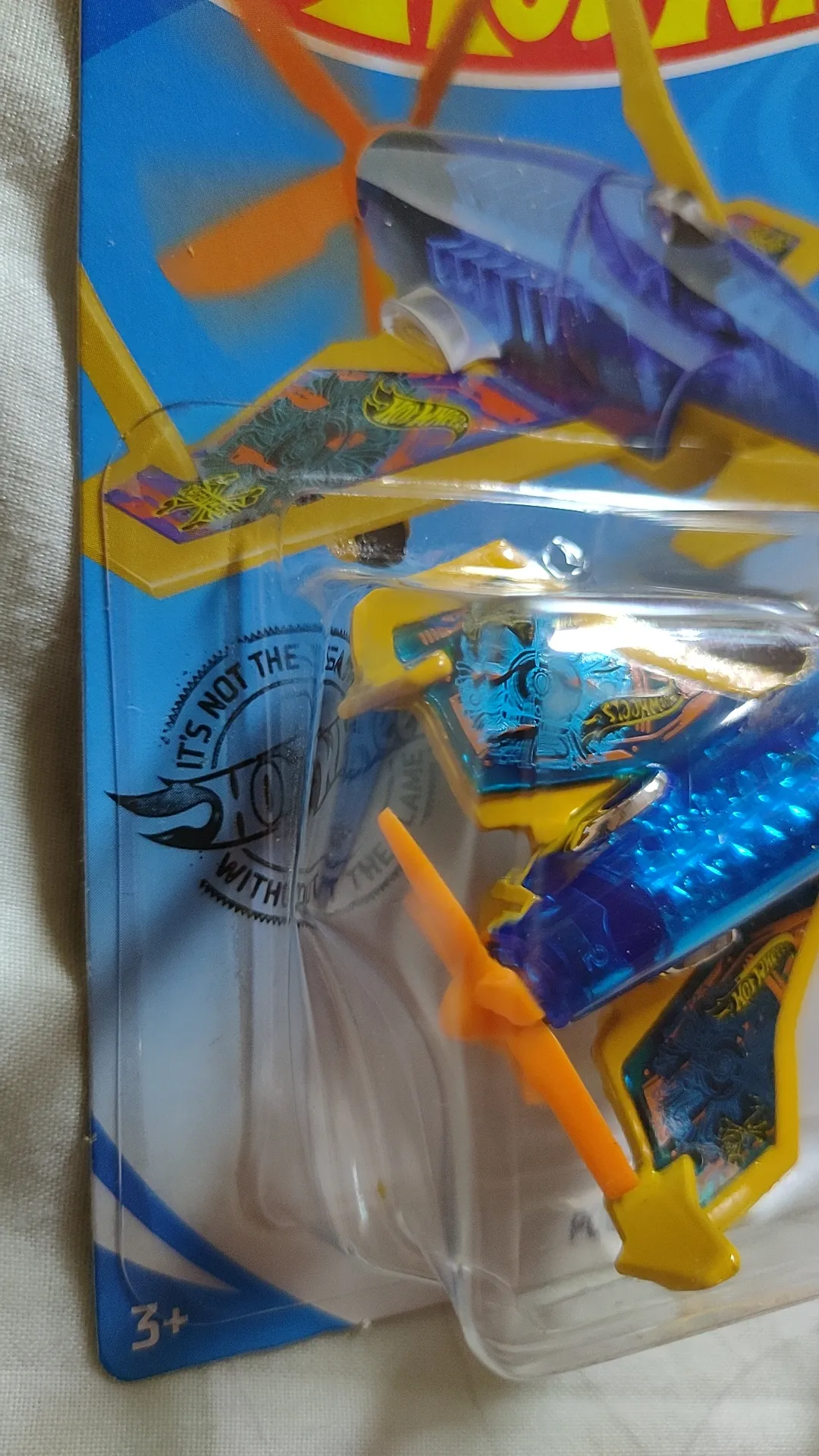
What Are Diecast Cars
Diecast cars are miniature vehicles produced by using a die casting process. This involves injecting molten metal, typically zinc alloy, into a mold to create intricate and highly detailed models. These replicas are prized by collectors of all ages, and they represent a wide variety of real-world vehicles, from classic cars to modern race cars, trucks, and even motorcycles. Diecast cars are not just toys they are meticulously crafted collectibles that offer a tangible connection to automotive history and engineering. The level of detail and accuracy in these models can vary, but many are incredibly realistic, featuring working parts, detailed interiors, and accurate paint schemes. The appeal of diecast cars lies in their collectibility, their representation of automotive history, and the craftsmanship involved in their production.
The Diecast Manufacturing Process
The manufacturing of diecast cars is a complex process that involves several key stages. It begins with the creation of a mold, or die, which is made from steel. This die is designed to precisely replicate the shape and details of the car model. Molten metal, usually a zinc alloy due to its low melting point and ability to capture fine details, is then injected into the die under high pressure. Once the metal cools and solidifies, the die is opened, and the cast parts are removed. These parts then undergo a series of finishing processes, including trimming excess material, smoothing surfaces, and adding any necessary details. Painting is a crucial step, as it gives the car its realistic appearance. The parts are carefully painted in the correct colors and patterns, often using multiple coats and intricate masking techniques. After painting, the car is assembled, with all the parts put together, including the chassis, wheels, and interior components. Finally, the model is inspected to ensure it meets quality standards.
Materials Used in Diecast Cars

The primary material used in diecast cars is zinc alloy, often referred to as Zamak, due to its excellent castability and ability to reproduce fine details. Zinc alloy is ideal because it has a relatively low melting point, which makes the casting process easier and more cost-effective. Other materials are also used to construct various parts of the model. The wheels are often made of plastic or rubber, providing realistic rolling action. The chassis might be made of diecast metal, plastic, or a combination of both, providing structural support for the car. Windows and headlights typically use clear plastic, while the interior components are usually made from plastic. In some high-end models, the manufacturers may use more expensive materials like resin for specific details or to achieve greater realism.
Key Features of Diecast Cars
Diecast cars are celebrated for their remarkable level of detail, which sets them apart from simple toy cars. These miniature vehicles often feature intricate designs that accurately replicate their real-world counterparts. The doors, hood, and trunk of the models are often designed to open, providing a glimpse into the detailed interiors. The interiors typically include realistic seats, dashboards, steering wheels, and even small details like gear shifters and pedals. The wheels are highly detailed, and the tires often feature authentic tread patterns. Many diecast cars also include features like working steering, suspension, and sometimes even engine details. The paintwork is another critical feature, as the finish and accuracy of the paint job can significantly affect the model’s overall appeal. High-quality models will have multiple coats of paint and detailed graphics, such as logos, stripes, and decals.
Scale Sizes and Their Significance
Diecast cars are manufactured in a variety of scale sizes, each representing a specific proportion of the real-world vehicle. The most popular scales are 1 18, 1 24, and 1 43. The scale size affects not only the physical dimensions of the model but also the level of detail and the overall cost. 1 18 scale models are larger and offer the most detail, making them highly sought-after by collectors. 1 24 scale models are a bit smaller and are often considered a good balance between detail and affordability. 1 43 scale models are even smaller and more affordable, making them a popular choice for starting collectors and those who want to display a large collection in a limited space. The scale size also impacts the display options and the types of accessories that can be used with the models. Collectors often specialize in a particular scale to maintain consistency within their collection.
Why Collect Diecast Cars

Collecting diecast cars is a rewarding hobby that offers several benefits. These miniature vehicles represent various aspects of automotive history, making them a tangible connection to the past. Diecast cars can also serve as a form of investment, as some models appreciate value over time. Collecting is a great way to share a passion for cars with others. Many collectors enjoy the social aspect of the hobby, connecting with other enthusiasts through online forums, car shows, and clubs. The hobby also provides a sense of personal satisfaction, as collectors take pride in curating and displaying their collection. Collecting also provides a sense of accomplishment, as collectors hunt for rare and valuable models to add to their collection.
Benefits of Collecting Diecast Cars
Collecting diecast cars offers several key benefits that contribute to their enduring appeal. One of the primary benefits is the connection to history and the preservation of automotive heritage. These models accurately replicate classic cars, race cars, and other vehicles that hold significant historical value, providing collectors with a tangible link to the past. Diecast cars also provide an aesthetic appeal that collectors find satisfying. The detailed craftsmanship, accurate paint schemes, and realistic features make them visually engaging and enjoyable to display. Furthermore, many collectors view their collections as a form of investment. Certain rare or limited-edition models can appreciate in value over time, providing a potential return on investment. The hobby promotes social interaction, as collectors connect with others who share their passion, fostering friendships and a sense of community. Finally, collecting offers a therapeutic element, providing a relaxing and engaging activity that can help reduce stress and increase overall well-being.
Tips for Starting a Diecast Car Collection
Starting a diecast car collection can be an exciting and fulfilling hobby. Begin by identifying your collecting focus. Consider the types of cars you like best, such as classic cars, sports cars, or race cars. Decide on a specific scale to maintain consistency and choose models that appeal to you. There are many scales to consider, such as 1 18, 1 24, and 1 43, each offering a different level of detail and cost. Establish a budget to manage expenses and avoid overspending. Research different brands and manufacturers to understand the quality and value of the models available. A lot of brands such as Hot Wheels, Maisto, and others are popular, so research your interests. Look for models in good condition, as this affects their value. Consider the availability of spare parts and the ease of maintenance when choosing models. Connect with other collectors and join online forums or local clubs to learn more about the hobby and share your passion.
Maintaining and Preserving Your Collection

Maintaining and preserving your diecast car collection is essential to protect your investment and keep your models in excellent condition. Proper storage is crucial for preventing damage and deterioration. The models should be stored in a cool, dry place away from direct sunlight, extreme temperatures, and high humidity. Consider using display cases or cabinets to protect them from dust and accidental damage. Regular cleaning is essential for maintaining the appearance of your models. Dust the models regularly with a soft cloth or a small brush. Avoid using harsh chemicals or abrasive cleaners, as these can damage the paint and other delicate components. Handle your models with care to prevent scratches or other damage. Avoid touching the models directly with your bare hands, as this can transfer oils and dirt, and use gloves or soft cloth if necessary. Taking these steps will ensure the longevity and value of your collection.
Cleaning and Storage Tips
Proper cleaning and storage are essential for preserving the condition of your diecast car collection. Dusting your models regularly with a soft cloth or a small brush is the best way to keep them clean. For more stubborn dirt, use a slightly damp cloth, but avoid getting the models too wet. Never use harsh chemicals or abrasive cleaners, as these can damage the paint and other surfaces. Store your models in a cool, dry place away from direct sunlight and extreme temperatures. Display cases or cabinets with clear doors provide protection from dust and accidental damage. If you are storing your models for an extended period, consider wrapping them in acid-free tissue paper to prevent scratches. Avoid stacking models on top of each other, as this can cause damage. Regular inspection of your collection will help identify any potential issues early on, allowing you to take corrective action before it becomes more serious.
Protecting Against Damage
Protecting your diecast car collection against damage is crucial for preserving its value and beauty. Handle the models with care, and avoid touching them with your bare hands, as this can transfer oils and dirt. When handling, use gloves or a soft cloth to prevent scratches. Keep your models away from direct sunlight, which can cause the paint to fade. Avoid extreme temperatures and humidity, as this can damage the materials. Regular inspection is essential to identify any issues early on. Store your models in a safe place, such as display cases or cabinets, to protect them from dust and accidental damage. Consider using bubble wrap or other protective materials when moving or transporting your models. It is also important to be careful when cleaning your models and use the right products. Following these precautions will help to ensure the long-term preservation of your valuable collection.