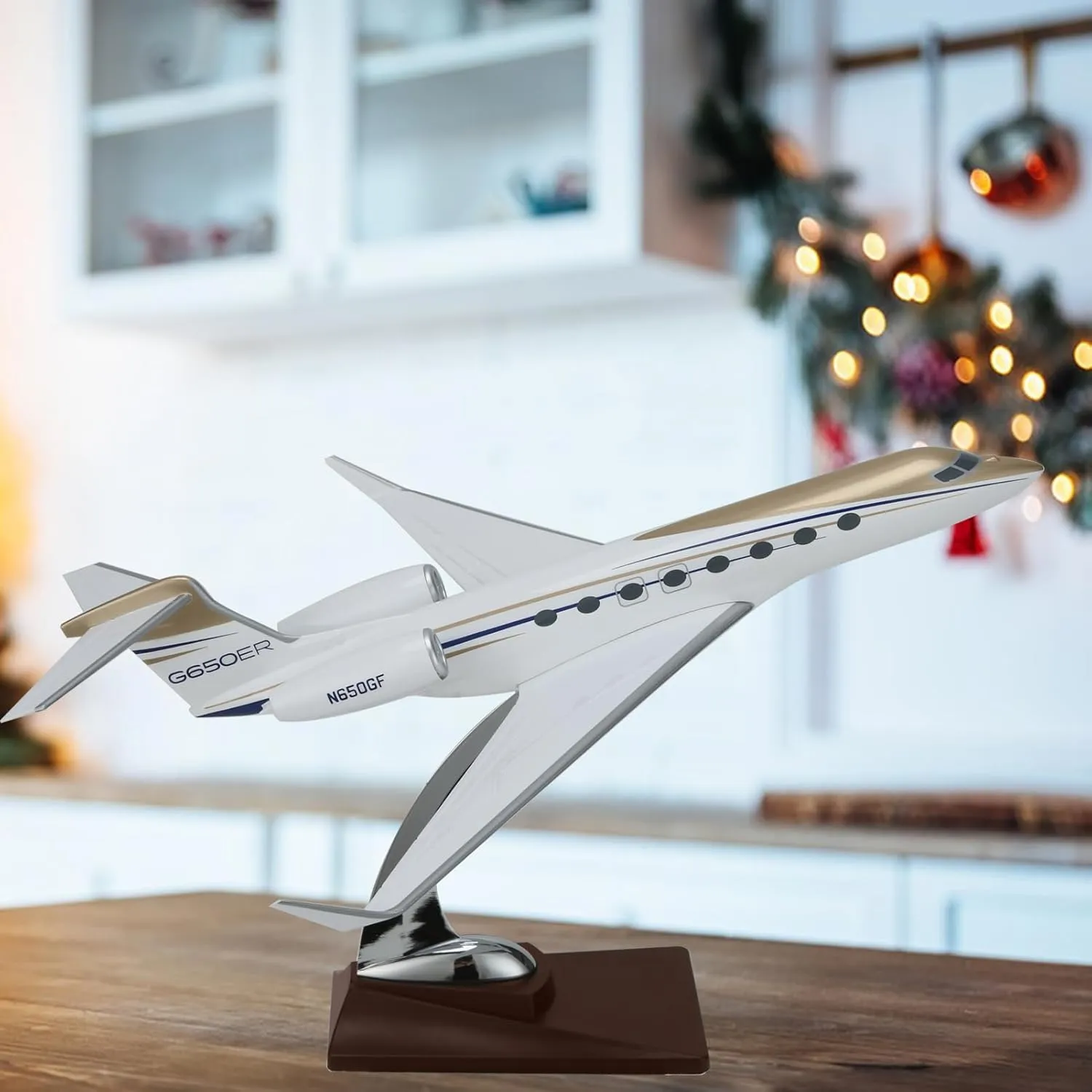
What are Large Scale Diecast Airplanes
Large scale diecast airplanes are highly detailed, miniature replicas of real-world aircraft, meticulously crafted from metal and other materials. These models are prized by collectors and enthusiasts for their accuracy, realism, and the nostalgia they evoke. Unlike plastic models, diecast airplanes are typically heavier and offer a more premium feel, making them a popular choice for those seeking a high-quality collectible. These aren’t just toys; they’re miniature works of art, representing everything from classic warbirds to modern commercial airliners. The level of detail can be astonishing, with intricate paint schemes, realistic markings, and even tiny rivets and panel lines replicated with precision.
Scale Matters Understanding Aircraft Sizes
When delving into the world of large scale diecast airplanes, understanding scale is paramount. Scale refers to the ratio between the model’s size and the actual aircraft’s size. For instance, a 1:72 scale model is 72 times smaller than the real airplane. Different scales cater to various preferences and display needs. The choice of scale significantly impacts the overall size, detail, and cost of the model. Common scales provide a standardized framework, allowing collectors to easily compare and display their models together. Before you start, consider the space you have available for your collection and your desired level of detail. The larger the scale, the more intricate the details, but also the more space required for display.
Common Scales for Diecast Airplanes

Several scales dominate the large scale diecast airplane market. The most popular scales include 1:72, 1:48, and 1:200. 1:72 scale is a popular choice, offering a good balance between detail and size, and is widely available across various aircraft types. 1:48 scale provides even more detail, ideal for enthusiasts who appreciate intricate features, but requires more display space. 1:200 scale is a popular choice for commercial aircraft collectors due to its manageable size, and these models are relatively affordable. Other scales exist, but these three are the most common. The scale you select will influence the type of models you can find, the level of detail present, and the overall aesthetic of your collection. Consider the advantages of each scale before making your first purchase.
Tip 1 Research Before You Buy
Before purchasing any large scale diecast airplane, thorough research is crucial. Understanding the manufacturer, the model’s specific features, and its historical significance will help you make informed decisions. Different manufacturers have varying levels of detail and quality. Some brands are known for their accuracy, while others focus on affordability. Research the manufacturer’s reputation, read reviews, and compare models from different brands before making a purchase. Knowledge about the specific aircraft type, its history, and any special markings will enhance your appreciation for the model and its value. This also helps in avoiding replicas or models with inaccurate details, helping you build a high-quality collection.
Where to Find Reliable Information
Reliable information is readily available to aid your research. Online resources, such as dedicated model airplane forums, websites, and collector communities, are goldmines of information. These platforms often have detailed discussions about specific models, manufacturers, and common issues. Manufacturer websites and catalogs provide specifications and information about their products. Books and magazines dedicated to aviation and model collecting can also offer valuable insights. Before making a purchase, cross-reference information from multiple sources. This helps verify accuracy and ensures you are well-informed about the model you’re considering. Websites such as YouTube also have reviews on large scale models.
Reading Reviews and Checking Ratings

Reading reviews and checking ratings from other collectors is an important step in the research process. Reviews provide firsthand accounts of a model’s quality, accuracy, and any potential issues. Pay attention to common themes in the reviews. Are there recurring complaints about paint quality, inaccurate details, or fragile components? Positive reviews will highlight the model’s strengths, such as its level of detail, the accuracy of the markings, and the overall build quality. Checking ratings on websites or online stores can help gauge the overall satisfaction of other buyers. This gives you a quick overview of the model’s general appeal. Use this information to inform your purchase and avoid potentially disappointing models.
Tip 2 Know Your Budget
Collecting large scale diecast airplanes can become an expensive hobby, so setting a budget is essential. Prices can vary widely depending on the scale, manufacturer, detail, rarity, and the aircraft type. Determine how much you are willing to spend on individual models and on your collection as a whole. Consider the long-term costs, including display cases, storage solutions, and potential repair costs. Stick to your budget to avoid overspending. Prioritize your purchases based on your interests and collecting goals. It’s better to build a smaller, high-quality collection than to accumulate numerous inexpensive models that may not meet your expectations.
Factors Influencing Airplane Prices
Several factors impact the prices of large scale diecast airplanes. Limited edition models and those with historical significance often command higher prices. The manufacturer’s reputation, the level of detail, and the quality of the materials used also play a significant role. The complexity of the model, including intricate paint schemes and detailing, can increase the price. Demand also dictates prices, with popular aircraft types and those from well-known manufacturers being more expensive. Be aware of these factors when setting your budget and making purchasing decisions. Compare prices from different retailers and consider the model’s overall value before purchasing. Check the prices of the models and their history to get a better idea.
Setting a Realistic Budget

Set a realistic budget that aligns with your financial situation and collecting goals. Start by determining how much you can comfortably spend without compromising other financial priorities. Research the average prices of the models you are interested in. Allow for some flexibility in your budget to accommodate unexpected opportunities or rare finds. Consider both the initial purchase price and any ongoing costs associated with the hobby, such as display cases and maintenance. By setting a budget and sticking to it, you can enjoy the hobby without financial strain and develop a sustainable collection. As you become more experienced, you can reassess your budget and make adjustments as needed.
Tip 3 Focus on Details and Quality
For serious collectors, focusing on details and overall quality is crucial. The level of detail significantly impacts the model’s realism and value. Pay attention to the accuracy of the paint scheme, the markings, and the overall construction. Look for models with finely molded panel lines, realistic rivets, and accurate cockpit details. The quality of the materials and the manufacturing process will affect the model’s durability and its aesthetic appeal. Choosing high-quality models ensures your collection will be impressive. Examine the model closely before making a purchase, and don’t hesitate to pay a premium for a model that exhibits exceptional detail and quality. These are miniature works of art, and the quality of these models are well worth the money.
Checking the Paint and Finish
The paint and finish are crucial aspects of a diecast airplane model’s appearance. Check for any imperfections, such as uneven paint application, runs, or blemishes. The paint should be smooth and consistent, with accurate colors that match the real aircraft. The finish can vary from matte to glossy, depending on the aircraft type and the manufacturer’s style. Ensure that the paint is applied evenly and that the decals and markings are correctly positioned and free from air bubbles. Assess the overall appearance to ensure the model looks realistic. High-quality paint and finish contribute to the model’s overall appeal and increase its value.
Assessing Panel Lines and Markings

Panel lines and markings add realism to large scale diecast airplanes. Panel lines represent the joints and seams in the aircraft’s exterior. They should be finely molded, sharp, and consistent. Markings include the aircraft’s identification codes, logos, and other details. These should be accurately reproduced and clearly printed. Assess the quality of the decals or tampo-printed markings. Are they crisp, clear, and free from defects? The correct placement and detail of the markings will make the model look more authentic. Pay attention to details such as the size, font, and color of the markings to ensure they are accurate representations of the real aircraft. These details greatly increase the model’s value and its appeal.
Tip 4 Consider the Model’s Rarity
The rarity of a large scale diecast airplane can significantly affect its value and collectibility. Limited edition models, those produced in small quantities, and those that are no longer in production are often the most sought after. Rarity can increase the value of a model, making it a wise investment for collectors. Certain models are highly coveted because of their historical significance or their representation of a specific aircraft. Consider the potential for appreciation when making a purchase. Investing in rare models can increase the long-term value of your collection and provide you with a sense of satisfaction. Keeping up with the latest releases and being informed about limited editions can help you acquire valuable models.
Limited Edition Airplanes
Limited edition airplanes are produced in a specific quantity, and once they’re sold, they are generally no longer available from the manufacturer. These models often feature unique paint schemes, special markings, or exclusive details. Limited editions are highly desirable for collectors. The rarity of a limited edition model can increase its value over time, making it a worthwhile investment. These models are sought after by enthusiasts for their exclusivity. If you are fortunate enough to obtain a limited-edition airplane, it will likely increase in value over time, making it a valuable part of any collection. The low production numbers, plus the fact that they are no longer available from the manufacturer, makes this one of the most valuable types.
Factors Affecting Airplane Rarity

Several factors contribute to an airplane’s rarity. Production volume is a primary factor. The smaller the number produced, the rarer the model. The age of the model can also affect its rarity. Older models, especially those that are no longer manufactured, are often highly sought after. Historical significance plays an important role. Models that represent significant aircraft or commemorate historical events often become highly collectible. Popular demand and the overall appeal of the aircraft type also affect rarity. To determine the rarity of a model, research its production details, its history, and current market value. Pay attention to auctions, online sales, and collector communities to gauge its availability and desirability. These factors can greatly affect the value of a model.
Tip 5 Storage and Display Tips
Proper storage and display are essential to preserving the condition and value of your large scale diecast airplanes. Store your models in a cool, dry place, away from direct sunlight, extreme temperatures, and humidity. Sunlight can cause the paint to fade, while temperature and humidity fluctuations can damage the materials. Consider using display cases to protect your models from dust, light, and accidental damage. Choose a display case that matches the scale and size of your collection. Regular cleaning and maintenance will help keep your models in pristine condition. With care and attention, you can ensure your collection remains a source of enjoyment for years to come.
Protecting Your Collection from Dust and Light
Dust and light can damage diecast airplanes. Dust can accumulate on the surfaces of your models, dulling the paint and making them look less attractive. Direct sunlight can fade the paint and damage the delicate details. Use dust covers or display cases to protect your models from dust. Choose display cases that block ultraviolet light to prevent fading. Rotate your models regularly to prevent prolonged exposure to light. Regularly dust your models with a soft brush or cloth to remove any accumulated dust. By taking these precautions, you can keep your collection in excellent condition and protect your investment.
Choosing the Right Display Case

Choosing the right display case is crucial for showcasing and protecting your large scale diecast airplanes. Consider the size and scale of your collection when selecting a case. Choose a case that is large enough to accommodate your models comfortably. Ensure the case provides adequate protection from dust, light, and accidental damage. Display cases are a great way to protect your airplanes. Consider cases with UV protection. Some cases offer additional features, such as adjustable shelves, built-in lighting, or humidity control. Choose a display case that complements your collection and enhances its presentation. A well-chosen display case adds to the overall value of your collection.
Tip 6 Joining a Community
Joining a community of fellow collectors can greatly enhance your enjoyment of the hobby. Online forums, social media groups, and local clubs provide opportunities to connect with other enthusiasts, share your knowledge, and learn from others. You can participate in discussions, ask questions, and get advice on various topics, such as model selection, maintenance, and collecting strategies. Building relationships with other collectors will bring a lot of satisfaction to your hobby. Joining a community gives you a chance to show off your collection and connect with others who are passionate about the same hobby.
Benefits of Online Forums and Clubs
Online forums and clubs offer a wealth of benefits for collectors. They provide a platform for sharing information, exchanging opinions, and showcasing your collection. You can ask questions, seek advice, and learn from the experiences of other collectors. Joining a forum or club can help you stay informed about the latest releases, rare finds, and market trends. These communities often host online events, such as auctions and swaps. They also provide a sense of camaraderie and offer the opportunity to connect with like-minded individuals. You can also find valuable resources, such as reference materials and repair tips. The knowledge you gain is very valuable.
Networking with Other Collectors
Networking with other collectors is a key aspect of the hobby. Interacting with fellow enthusiasts can open up new avenues for acquiring models, learning about different aircraft types, and expanding your knowledge. Attend model shows, conventions, and local club meetings to meet other collectors in person. Participate in online discussions and build relationships with individuals who share your interests. Networking can also lead to valuable opportunities, such as finding rare models, exchanging information, or collaborating on projects. The more you connect with other collectors, the more enriched your collecting experience will become. This will add a lot to your enjoyment of the hobby.
Tip 7 Maintaining Your Airplanes
Regular maintenance will keep your large scale diecast airplanes in pristine condition. Cleaning your models regularly will remove dust, fingerprints, and other contaminants. Use a soft brush or cloth to gently dust the surfaces, and avoid harsh chemicals or abrasive materials that can damage the paint. Inspect your models periodically for any signs of wear or damage. Address any issues promptly to prevent further deterioration. Proper maintenance will prolong the lifespan of your models and maintain their value. It also helps you preserve your collection for years to come. Consistent maintenance will ensure the models continue to look their best.
Cleaning and Preserving Your Models
Cleaning your models is an important aspect of maintaining their condition. Use a soft, clean brush or cloth to gently dust the surfaces. Avoid using water or any cleaning agents, as these can damage the paint and markings. If you need to clean the model, use a damp cloth with a small amount of mild soap, and then dry it immediately. Store your models in a cool, dry place. Protect them from direct sunlight to prevent fading. Use display cases to protect them from dust and light. With proper cleaning and preservation, you can ensure that your models remain in excellent condition. These are just some of the ways to preserve your models.
Addressing Common Issues
Over time, common issues may arise with your large scale diecast airplanes. These may include loose parts, broken components, or paint damage. Address any issues as soon as possible. If a part comes loose, try to reattach it using appropriate adhesives. For more serious damage, consider seeking professional repair services. Preventative measures, such as careful handling and proper storage, can reduce the likelihood of these issues. Regularly inspect your models and address any issues to maintain their value and preserve their beauty. Be mindful of your collection and follow up on any repairs needed.
Conclusion
Collecting large scale diecast airplanes can be a rewarding and enriching hobby. By following these top 7 tips, you can build a valuable and enjoyable collection. Research thoroughly, set a budget, and focus on quality and detail. Consider the model’s rarity, and store and display your models properly. Join a community and maintain your airplanes regularly. With these steps, you’ll be well on your way to building a fantastic collection. Enjoy the journey of collecting and the unique world of miniature aviation. Remember to have fun and enjoy the process of building your collection of large scale diecast airplanes.