5 Facts About Datsun 260Z Diecast Models
The Datsun 260Z diecast model has captivated collectors and car enthusiasts for decades, offering a tangible connection to a legendary sports car. These miniature replicas are more than just toys; they are highly detailed pieces of art that celebrate the beauty and legacy of the original Datsun 260Z. Understanding the world of Datsun 260Z diecast models involves appreciating their history, the materials used, the various scales available, and the dedication required to collect them. This article will dive into the top five facts every enthusiast should know, providing valuable insights for both seasoned collectors and newcomers alike. Explore the rich details that make these models so special, from their historical significance to the challenges and rewards of collecting them.
The History of the Datsun 260Z
The Datsun 260Z, a successor to the original 240Z, was introduced in the mid-1970s and quickly became a symbol of affordable sports car performance. The 260Z built upon the success of its predecessor, offering a more powerful engine and refined features. This model not only increased the appeal of the Datsun brand but also made its mark on automotive history. The history of the 260Z is filled with innovation and competition, making it a significant vehicle. The 260Z’s evolution reflects the changing trends of the automotive market and the growing popularity of sports cars. Collectors of diecast models often appreciate this history, seeking to own a miniature representation of this iconic car. The attention to detail in diecast models aims to capture the spirit and essence of the original car’s design and performance, serving as a testament to the legacy of the Datsun 260Z.
The Real-Life Datsun 260Z

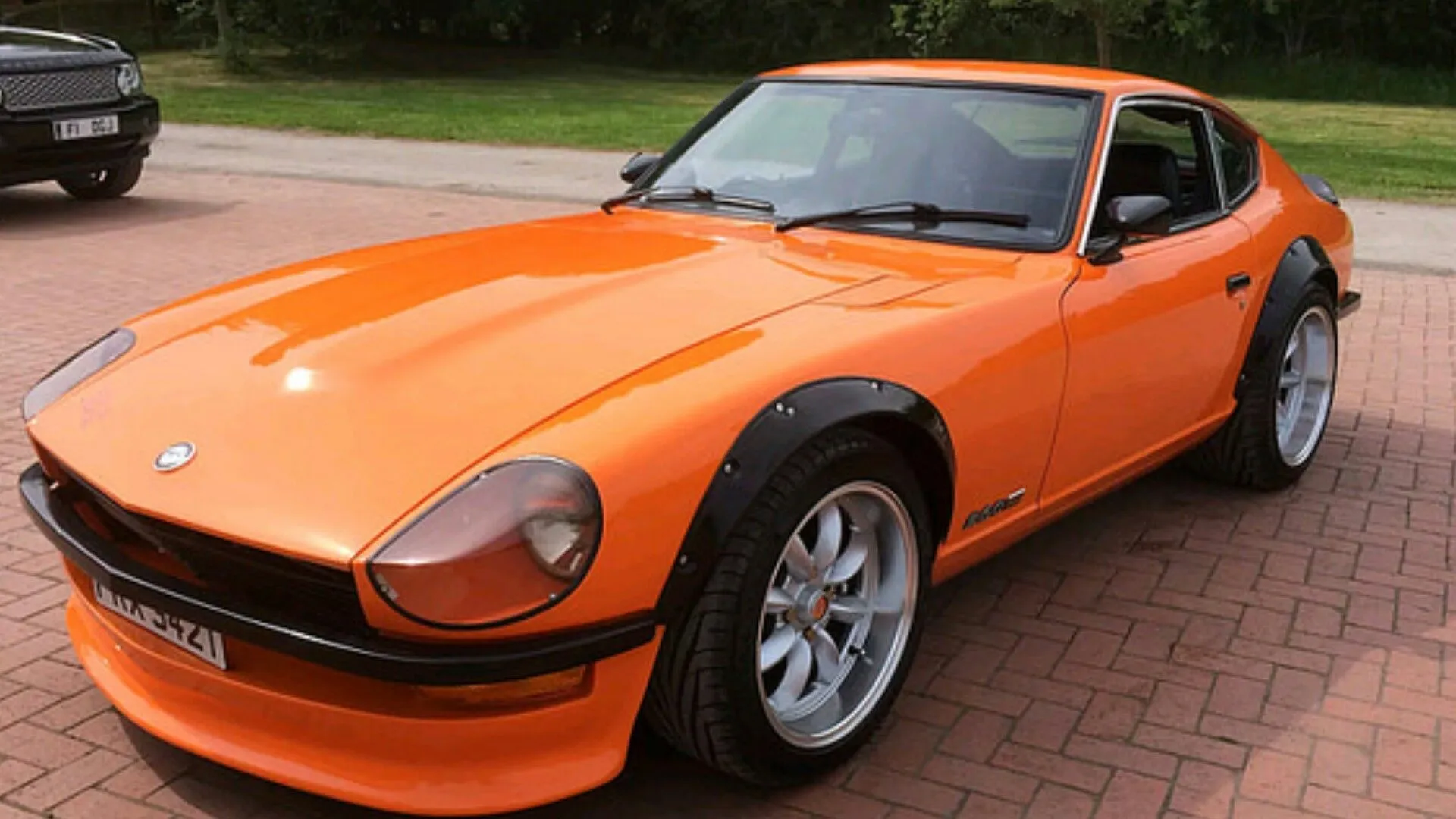
Understanding the real-life Datsun 260Z is crucial to appreciating the diecast models. The original 260Z was praised for its sleek design, reliable engine, and accessible price point. These factors contributed to its widespread popularity and subsequent demand in the classic car market. The real-life 260Z had features like a straight-six engine, independent rear suspension, and a well-appointed interior, setting it apart from its competitors. Diecast models often replicate these features with exceptional accuracy, from the body lines to the interior details, in order to provide a miniature version of the original vehicle. Collectors often refer to photographs and specifications of the real car to assess the authenticity and detail of the diecast models. This creates a deep connection between the diecast and the actual car, enriching the collecting experience. The images show the original design elements, and enhance the value of the diecast models.
Materials Used in Diecast Models
The construction of diecast models involves various materials that contribute to their realism, durability, and collectibility. Zinc alloy, also known as zamak, is the most commonly used material for the body of diecast cars due to its ability to capture fine details and its robust nature. Other materials, such as plastic, rubber, and sometimes even fabric, are used for the interior, tires, and other parts. High-quality diecast models pay close attention to details like paint quality, decals, and the overall finish to mirror the aesthetics of the actual vehicles. The use of quality materials is a significant factor in determining the value of a diecast model. Detailed attention to material selection and quality is what separates a high-end model from a simpler toy. The combination of materials results in models that are both visually appealing and long-lasting, making them attractive to collectors.
Different Scales of Datsun 260Z Models
Diecast Datsun 260Z models come in various scales, with the most popular being 1 18, 1 24, and 1 43. The scale refers to the ratio between the model’s size and the size of the actual car. For example, a 1 18 scale model is one-eighteenth the size of the original car. Each scale has its advantages; 1 18 scale models are typically larger, allowing for more detailed features. 1 24 scale offers a balance between detail and size, while 1 43 models are more compact and suitable for extensive collections. Scale choice often depends on personal preference, available display space, and the desired level of detail. Collectors often focus on a specific scale to maintain consistency in their collections. The scale also affects the cost, availability, and the overall impression of the model.
Popular Datsun 260Z Model Scales

The 1 18 scale is favored for its impressive level of detail, making it a premium choice for serious collectors. These models often include opening doors, detailed engine compartments, and realistic interiors. The 1 24 scale is a popular middle ground, providing a good balance of detail and size, making it an accessible option for collectors of all levels. These models provide a detailed representation without requiring excessive display space. The 1 43 scale is often used for collecting a wide range of models, offering a cost-effective way to build a large collection. These smaller models allow for a greater variety of Datsun 260Z variations to be collected. Scale selection often reflects personal priorities and the collector’s goals. The availability of different scales enhances the collecting experience.
Collecting Datsun 260Z Diecast Models
Collecting Datsun 260Z diecast models can be a rewarding hobby that blends a passion for classic cars with the thrill of the hunt. Collecting involves researching, purchasing, and preserving these miniature vehicles. A collector’s approach involves establishing a collection goal, such as focusing on a specific scale, color, or manufacturer. The process often includes attending model shows, visiting online marketplaces, and joining collector communities. Collecting also involves learning about model variations, production runs, and the history of the models. Collectors usually dedicate time and effort to display their models, creating a visually appealing display. The value of a collection often increases with time, making collecting a long-term investment. The dedication and passion of Datsun 260Z diecast model collecting often foster a great sense of accomplishment.
Finding Rare Datsun 260Z Diecast Models
Finding rare Datsun 260Z diecast models is a challenging but exciting aspect of collecting. Rare models can include limited-edition releases, prototypes, or those with unique color schemes or features. Sources for rare models include online auction sites, specialized diecast shops, and collector forums. It often requires extensive research and networking to identify and acquire rare models. Collectors actively seek out models from specific manufacturers and model years. Attending model shows and events offers opportunities to find rare models. The process may involve patience and persistence, but the reward is the thrill of adding a unique piece to the collection. The identification of rare models is a significant factor in the collection process and the associated value.
Where to Buy Datsun 260Z Models

Datsun 260Z diecast models are available from various sources, catering to different budgets and preferences. Online marketplaces like eBay and specialized diecast shops offer a wide selection of models, from common releases to rare finds. Brick-and-mortar hobby stores and model shops provide the opportunity to examine models in person and receive expert advice. Attending model shows and swap meets provides an opportunity to meet other collectors and discover rare models. The best place to buy a model often depends on the collector’s preferences and budget. Always assess the seller’s reputation and the model’s condition. Comparison of prices and selection is essential to obtain the best deal. Understanding the different purchasing avenues will enhance the collecting experience.
Caring for Your Datsun 260Z Diecast
Caring for Datsun 260Z diecast models is essential to preserve their value and beauty. Displaying models in a dust-free environment is crucial. Use a display case or shelving to protect them from direct sunlight and dust. Cleaning the models regularly with a soft brush or cloth is necessary to maintain their appearance. Storage should be in a cool, dry place away from extreme temperatures and humidity. Careful handling is another factor in maintaining their condition. Avoiding touching the models with bare hands can prevent fingerprints and oils from damaging the paint. Taking these precautions ensures your diecast models remain in pristine condition. Proper care is a testament to your investment in the collection, preserving their condition.
In conclusion, Datsun 260Z diecast models offer a rich experience for car enthusiasts and collectors. The combination of historical relevance, detailed craftsmanship, and the thrill of collecting creates a rewarding hobby. The journey of learning about the history, the materials, and the best way to care for these models deepens the appreciation for the real car. The top facts discussed here provide a comprehensive view of this hobby, allowing both new and seasoned collectors to enjoy their passion to the fullest. The world of Datsun 260Z diecast models is vast and filled with opportunities, making it a captivating pursuit for anyone interested in classic cars.