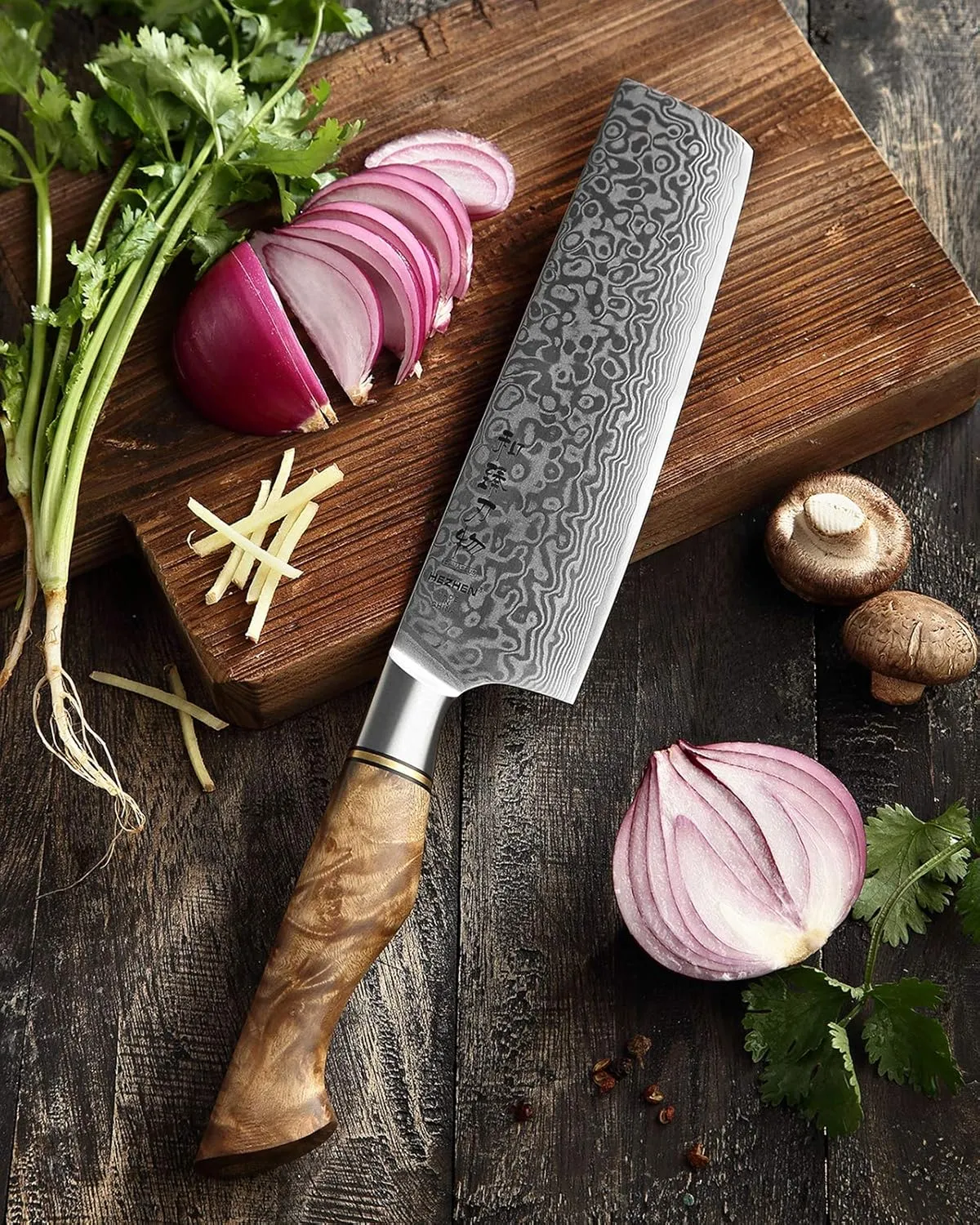
What is a Diecast Knife?
Diecast knives represent a unique category within the world of collectibles and practical tools. These knives are not merely instruments for cutting; they are often miniature works of art, meticulously crafted with detailed designs and high-quality materials. The term “diecast” refers to the manufacturing process, where molten metal is injected under high pressure into a mold to create a precise shape. This method allows for intricate designs and durable construction, making diecast knives both visually appealing and robust. Unlike traditional knives, diecast knives often prioritize aesthetics and collectibility, making them a favorite among enthusiasts and collectors. They can range from simple, functional designs to elaborate, ornate pieces, each telling a story through its form and finish. This guide will help you understand the world of diecast knives, exploring their features, benefits, and the top options available.
Defining Diecast Knife
A diecast knife is, fundamentally, a knife manufactured using the diecasting process. This process involves injecting molten metal, typically zinc alloys, aluminum, or even steel, into a mold. The high pressure ensures that the metal fills the mold completely, capturing every detail of the design. The result is a knife with a high degree of precision and intricate detailing that would be difficult, if not impossible, to achieve through other manufacturing methods. These knives can be anything from scaled-down replicas of classic knives to original designs created specifically for collectors. The quality of a diecast knife is largely determined by the quality of the materials used, the precision of the mold, and the finishing process. Diecast knives are often prized for their durability and their ability to hold fine details, making them a favorite among collectors and those who appreciate craftsmanship.
Materials Used in Diecast Knives

The materials used in diecast knives are crucial to their quality, durability, and overall aesthetic appeal. Zinc alloys are a popular choice due to their relatively low melting point and ability to reproduce fine details, making them ideal for intricate designs. Aluminum is another frequently used material, known for its lightweight properties and resistance to corrosion. It offers a good balance between strength and ease of manufacturing. For more robust and high-end diecast knives, steel may be used. This requires more sophisticated manufacturing techniques due to its higher melting point but results in a stronger and more durable product. Handles are commonly made from various materials, including wood, plastic, or composite materials, to provide a comfortable and functional grip. The choice of materials significantly impacts the knife’s weight, balance, and resistance to wear and tear. The best diecast knives often utilize a combination of high-quality materials to ensure both beauty and longevity. (diecast-knife-materials)
Why Choose a Diecast Knife?
Choosing a diecast knife comes with a unique set of motivations. For many, it’s about the art of collecting. Diecast knives often feature intricate designs, historical significance, or limited-edition runs, making them valuable collectibles. They can be a tangible representation of history, craftsmanship, and artistry. Beyond collecting, diecast knives can serve practical purposes. While not always intended for heavy-duty use, they can be excellent for light tasks, displaying unique aesthetics. They are often well-balanced and designed to fit comfortably in the hand. Diecast knives offer a way to appreciate the beauty of craftsmanship, own a piece of art, and, in some cases, have a functional tool. The reasons to choose a diecast knife are as diverse as the knives themselves, ranging from a passion for design to an appreciation for fine manufacturing processes. (diecast-knife-advantage)
Advantages of Diecast Knives
Diecast knives have several advantages that make them attractive to collectors and users. One key advantage is their ability to capture fine details and intricate designs. The diecasting process allows manufacturers to create complex shapes and patterns that would be difficult or impossible to achieve with other methods. This results in knives with stunning aesthetics and unique character. Durability is another advantage. The materials used in diecast knives, such as zinc alloys and aluminum, are robust and resistant to wear and tear. This makes these knives capable of withstanding the test of time, preserving their beauty for years to come. Finally, diecast knives offer a great value. The manufacturing process allows for efficient production, making them more accessible. This combination of intricate design, durability, and affordability makes diecast knives a compelling choice for both collectors and practical users.
Disadvantages of Diecast Knives

Despite their many advantages, diecast knives also have some disadvantages. One common drawback is the potential for lower sharpness compared to knives made with traditional forging methods. While the diecasting process is excellent for creating the blade’s form, achieving a razor-sharp edge can sometimes be more challenging. This is because the materials used, such as zinc alloys, may not hold an edge as well as higher-carbon steels. Another disadvantage is the potential for fragility if not handled carefully. Some diecast knives are designed primarily for display or light use, and may not withstand heavy-duty tasks. The level of quality varies greatly, so it’s important to choose knives that meet your specific needs. Overall, while diecast knives are attractive and durable, they may not be the best choice for those requiring extreme sharpness or heavy-duty performance.
Top 5 Best Diecast Knives
Selecting the ‘best’ diecast knives is subjective, depending on individual preferences and priorities. The following list provides a diverse selection, considering factors like craftsmanship, design, and overall value. These knives represent some of the top choices available in the diecast knife market, providing a starting point for both collectors and enthusiasts looking to expand their collections or find a distinctive tool. Remember to consider features like blade material, handle design, and overall aesthetics to determine the best fit for your needs.
Diecast Knife 1
This diecast knife stands out due to its exceptional craftsmanship and attention to detail. It’s a miniature marvel, often featuring an intricate handle design and a blade that reflects meticulous attention to detail. The overall aesthetic is stunning, making it a prime choice for display and collection. (diecast-knife-1)
Key Features

The key features include a high-quality zinc alloy blade, a comfortable handle made from durable materials, and an overall design that emphasizes both form and function. The blade may feature unique engravings or artistic touches, while the handle offers a secure and ergonomic grip. The knife often comes with a display stand, enhancing its collectibility.
Pros and Cons
- Pros include superior craftsmanship, striking design, and the potential for appreciation in value.
- Cons might involve a higher price point, and limited functionality if designed primarily for display.
Diecast Knife 2
Knife 2 is recognized for its balanced design, striking the perfect middle ground between aesthetic appeal and practicality. It often has a blade made from aluminum, and the handle, ergonomic and well-balanced, is made from composite materials. (diecast-knife-2)
Key Features

Key features include a balanced weight distribution and a sturdy blade. This knife may incorporate a safety lock to prevent accidental closure, adding a practical touch. The design focuses on user-friendliness, ensuring comfort during use. It may include a pocket clip or a lanyard hole for convenient carrying.
Pros and Cons
- Pros are its versatility, combining beauty with utility. It is suitable for both collectors and those who need a reliable tool.
- Cons may involve less intricate designs and, for some, a lack of the same collectibility factor as more specialized pieces.
Diecast Knife 3
This knife is known for its innovative design and unique blade. It often features unconventional blade shapes and handle designs. Knife 3 caters to collectors who love modern aesthetics and uniqueness. (diecast-knife-3)
Key Features

Key features include a blade made from zinc alloy, which showcases complex designs. The handle is made from various materials. The knife may come with a custom-designed case or stand. It focuses on aesthetic appeal and innovation.
Pros and Cons
- Pros: Unique design, high visual appeal, ideal for collectors seeking something distinct.
- Cons: May not be suited for heavy-duty use or practical tasks. The unique design might not appeal to all users.
Diecast Knife 4
Diecast Knife 4 is renowned for its historical significance or representation of classic knife designs. These knives are often replicas of historical knives or pay tribute to renowned knife designs of the past. (diecast-knife-4)
Key Features

Key features include accurate representations of classic designs and historical details. It may have blades made from zinc alloy. The handle is usually a faithful reproduction of the original materials. Many of these knives include information about their historical background, adding an educational element to their collectibility.
Pros and Cons
- Pros: Historical significance, educational value, and the opportunity to own a piece of history. These knives are prized by collectors.
- Cons: Limited availability and the potential for higher prices. They may be less practical for everyday use.
Diecast Knife 5
Knife 5 provides an entry point for beginners, combining affordability with respectable craftsmanship. It is a great choice for starting a diecast knife collection. (diecast-knife-5)
Key Features

Key features include a durable blade, often made from zinc alloy, a comfortable handle, and essential features. These knives may focus on simple yet elegant designs. They are available at an accessible price point, making them a perfect option for those beginning their collection or who want a functional knife.
Pros and Cons
- Pros: Affordability, entry-level appeal, and an excellent way to start a collection. It is a great tool.
- Cons: May have less intricate designs or use simpler materials. Not designed for high-end collectors.
How to Choose the Best Diecast Knife for You
Choosing the best diecast knife requires thoughtful consideration of several factors. Your individual needs and preferences should guide your selection. Whether you’re a seasoned collector or just starting out, the following factors will assist you in finding the perfect knife.
Consider Your Needs
First, consider your primary use. Are you looking for a knife for collecting, display, or occasional use? If it’s a collectible, aesthetics and historical accuracy will be top priorities. If it’s for light use, blade quality and handle comfort will matter. If you need a versatile knife for multiple tasks, you will need to think about blade design and overall balance. Considering how you plan to use your knife will narrow down your options and make it easier to find the right one for your needs.
Consider the Quality
Quality is an important factor. Focus on the materials used, the precision of the manufacturing, and the overall build quality. Look for knives made from high-quality zinc alloys or aluminum, as these will last longer. Examine the handle construction, ensuring it is comfortable and secure. Check reviews and ratings, as these can provide insights into the knife’s durability. Inspect the blade for any imperfections, like rough edges. By carefully assessing the quality, you’ll ensure you’re investing in a knife that will last for many years.
Consider the Price
Price is always a consideration. Determine your budget and stick to it. Diecast knives range from affordable to highly collectible. Compare prices and features to ensure you’re getting good value for your money. Look for knives that offer a balance between quality and price. Consider the materials used, design complexity, and any unique features that justify a higher price. Remember, the most expensive knife isn’t always the best, and it’s possible to find excellent knives at various price points. Setting a budget will help you make an informed purchase and avoid overspending.
Conclusion
Diecast knives provide a fascinating world of collectibles, blending craftsmanship and artistry. From defining the diecast knife and exploring materials to highlighting the best models, this guide has provided insights to aid in your selection process. Whether you’re a seasoned collector or a novice, understanding the nuances of diecast knives enhances the overall experience. As you start your search, consider your unique needs and preferences to find the ideal knife that suits your aesthetic tastes. With this knowledge, you can confidently navigate the world of diecast knives and appreciate the beauty of these unique, crafted pieces.